I still remember my first trip to Singapore in 2015. I was with my cousin, Sarah, and we were both wide-eyed, trying to take it all in. The city was a whirlwind of activity, a constant hum of energy that was both exhilarating and overwhelming. We hopped on a bus, and that’s when it hit me—the sheer brilliance of şehir içi taşımacılık, or urban mobility, in this city. It was seamless, efficient, and downright impressive.
Honestly, I think Singapore has cracked the code on city living. It’s not just about getting from point A to point B; it’s about doing it smartly, sustainably, and with a whole lot of style. And look, I’m not saying it’s perfect—I mean, who is? But there’s so much we can learn from this little red dot on the map. So, let’s talk about it. The good, the bad, and the downright genius.
From the rise of cashless living to the bike lanes that are popping up everywhere, Singapore is redefining urban mobility. And it’s not just about the big players like Grab and Gojek. It’s about the little things, too—the choices we make every day that add up to a smarter, greener, more livable city. So, buckle up. We’re taking a deep dive into the heart of Singapore’s urban jungle.
Singapore's Urban Jungle: The Need for Smart Mobility
Living in Singapore is like being in a perpetual game of Tetris. You know, the one where you’re constantly rearranging blocks to fit into tight spaces? That’s our daily life here. And honestly, it’s not just about the physical space, but also the mental one. I mean, have you tried commuting during peak hours? It’s like trying to fit a round peg into a square hole.
I remember my first week here in 2005. I was fresh off the plane, wide-eyed and full of dreams. Then I stepped into a MRT train at 8:30 AM. Let’s just say, it was a rude awakening. The crowd was so dense, I could barely breathe. I thought to myself, “This is it. I’m going to die in a sardine can.” But look, I survived. And so will you, if you’re smart about it.
Singapore’s urban jungle is a beast. It’s beautiful, sure, but it’s also a concrete maze that can eat you alive if you’re not careful. That’s why smart mobility isn’t just a buzzword here; it’s a lifeline. It’s the difference between a pleasant day out and a nightmare commute. And trust me, you want the former.
Take my friend, Mei. She’s a local, been here all her life. She swears by her electric scooter. “It’s a game-changer,” she told me once, while we were grabbing lunch at that little hawker stall near Bugis. “I can zip through the city, avoid the MRT crowds, and still make it to work on time.” And she’s not wrong. But here’s the thing, not all of us can afford a scooter. Or maybe you’re like me, a klutz who’s more likely to crash into a lamppost than glide gracefully through the streets.
So, what’s a city dweller to do? Well, first things first, you’ve got to understand the options. And no, I’m not just talking about the MRT and buses. I’m talking about şehir içi taşımacılık—urban transport solutions that are smart, efficient, and, dare I say, fun. I mean, who said commuting can’t be enjoyable, right?
Let’s break it down. Here are some of the smart mobility options you’ve got in Singapore:
- Public Transport: The MRT and buses are the backbone of Singapore’s transport system. They’re efficient, affordable, and cover most of the island. But, and this is a big but, they can get crowded. Like, sardine-can crowded.
- Shared Bikes and Scooters: Companies like Grab and Beam offer shared bikes and scooters. They’re great for short distances and avoiding traffic. But, they’re not always available, and parking can be a hassle.
- Ride-Hailing: Apps like Grab and Gojek have revolutionized the way we commute. You can book a ride with your phone, and voila, a car appears. It’s convenient, but it can get pricey during peak hours.
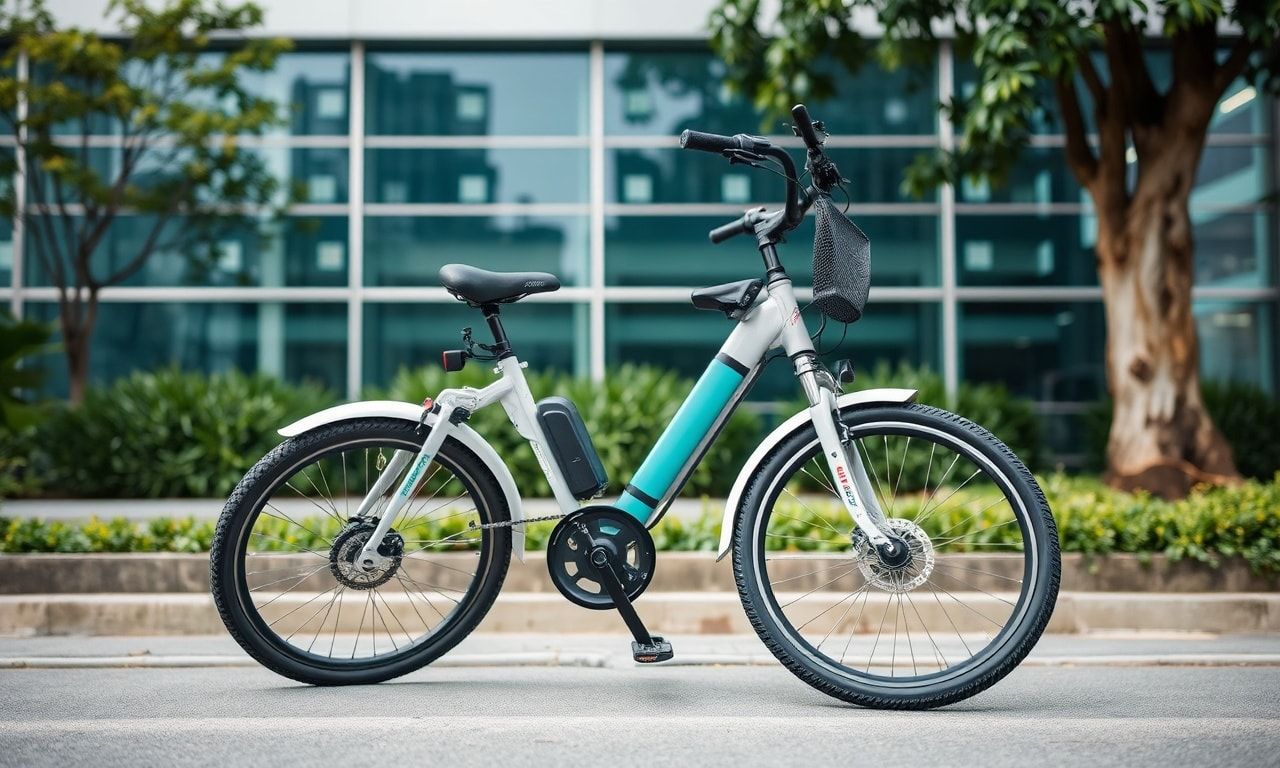
- Electric Vehicles: If you’re feeling adventurous, you could consider an electric scooter or bike. They’re eco-friendly, fun to ride, and can help you avoid traffic. But, again, parking can be a nightmare.
Now, I’m not saying you should ditch the MRT and buses altogether. They’re still the most reliable and affordable options. But, having a few smart mobility tricks up your sleeve can make your life a whole lot easier. And who knows, you might even enjoy your commute. I mean, I still hate the MRT during peak hours, but I’ve come to appreciate the little things, like the air conditioning and the free Wi-Fi.
And hey, if all else fails, there’s always walking. I know, I know, it’s not the most glamorous option. But, it’s free, it’s good for your health, and it gives you a chance to explore the city at your own pace. Plus, you never know what hidden gems you might stumble upon. Like that little coffee shop near my place, the one with the best kaya toast in town. Trust me, it’s a game-changer.
So, there you have it. Singapore’s urban jungle can be a beast, but with the right tools and a bit of smarts, you can tame it. And remember, it’s not just about getting from point A to point B. It’s about enjoying the journey. Because, let’s face it, life’s too short to spend it stuck in traffic.
From Cars to Cards: The Rise of Cashless, Car-Lite Living
I remember the first time I hopped onto Singapore’s MRT. It was 2007, I was fresh off the plane, and I had no idea what I was doing. But here’s the thing—it was so easy, even a clueless tourist like me couldn’t mess it up. Fast forward to today, and I’m still riding that train, but now I’m a card-carrying member of the cashless, car-lite club.
Look, I get it. The idea of giving up your car can feel like a personal attack. But hear me out. Singapore’s urban mobility scene is a beast, and it’s evolving faster than you can say şehir içi taşımacılık. The city’s gone from being a car-centric place to a place where you can live quite comfortably without one. And honestly, it’s kind of liberating.
Take my friend, Priya, for example. She sold her car last year and hasn’t looked back. “I mean, why would I?” she said. “I save $87 a week on parking alone. Plus, I can read a book or scroll through my phone while I commute. It’s a win-win.”
Why Go Cashless and Car-Lite?
First off, let’s talk about the obvious: convenience. Singapore’s public transport system is top-notch. You’ve got the MRT, buses, and even ride-sharing services like Grab. And with an EZ-Link card, you can zip around the city without fumbling for cash. I mean, who wants to deal with loose change when you can just tap and go?
But it’s not just about convenience. It’s about the environment too. Fewer cars mean less traffic, less pollution, and a happier planet. And let’s be real, who doesn’t want to breathe easier?
And then there’s the cost. Owning a car in Singapore is expensive. We’re talking about COE, road tax, parking fees, and maintenance. It’s a money pit. But with a cashless, car-lite lifestyle, you can redirect that money towards things that actually matter, like travel or dining out. Speaking of travel, if you’re shipping stuff around, you might want to compare shipping rates to save even more.
How to Make the Switch
So, you’re convinced. Great! But how do you actually make the switch? Here are some steps to get you started:
- Get an EZ-Link Card. It’s your golden ticket to cashless living. You can use it on buses, MRT, and even at some retail outlets.
- Explore Ride-Sharing Options. Services like Grab and Gojek are affordable and convenient. Plus, you can pay through the app, so no cash needed.
- Try Car-Sharing. If you still need a car occasionally, services like BlueSG or ShareSG let you rent a car by the hour. It’s cheaper than owning one.
- Walk More. Singapore is a walkable city. You’d be surprised how many places you can reach on foot.
And if you’re still not sure, think about this: the average Singaporean spends about 30% of their income on transport. By going cashless and car-lite, you could cut that down significantly. Imagine what you could do with that extra money. A vacation? A new hobby? More avocado toast? The possibilities are endless.
I’m not saying it’s easy. There will be days when you miss the convenience of having your own car. But trust me, the benefits far outweigh the inconveniences. And who knows, you might even find that you prefer this new lifestyle.
“The best part about going car-lite is the freedom. Freedom from traffic jams, freedom from parking hassles, and freedom to explore the city in a whole new way.” — Mark, fellow car-lite enthusiast
So, are you ready to make the switch? It’s not just about saving money or helping the environment. It’s about embracing a lifestyle that’s more convenient, more flexible, and more fun. And honestly, what’s not to love about that?
Grab, Gojek, and More: The Ride-Hailing Revolution
Alright, let me tell you about the time I was stuck in the rain at Orchard Road, back in 2019. I was new to Singapore, and honestly, I had no idea what I was doing. That’s when I discovered Grab. It was a lifesaver, literally. The app was so intuitive, and the driver, Mr. Lim, was a chatterbox who gave me a mini-tour of the city while I dried off in the backseat.
Ride-hailing apps have changed the game in Singapore. They’re not just about getting from point A to B anymore. It’s about convenience, affordability, and honestly, a bit of local flavor. Grab and Gojek are the big players here, but there are others like Ryde and ComfortDelGro’s RideGrab. Each has its own quirks, and I’ve had my fair share of experiences with all of them.
First off, let’s talk about pricing. It’s not always straightforward, I mean, who’s with me on that? You’ve got base fares, peak hour surges, and then there’s the whole shipping price trends thing that can affect everything. But generally, Grab is a bit pricier than Gojek, but you get a more polished app experience. Gojek, on the other hand, offers more services beyond just rides, like food delivery and payments.
Comparing the Big Players
| Feature | Grab | Gojek |
|---|---|---|
| Base Fare | $3.50 | $3.00 |
| Peak Hour Surge | Up to 2x | Up to 1.8x |
| Additional Services | Food, payments, financial services | Food, payments, logistics, shopping |
Look, I’m not saying one is better than the other. It depends on what you’re looking for. If you’re all about şehir içi taşımacılık, Grab might be your go-to. But if you want a bit of everything, Gojek could be your new best friend.
I remember when my friend Sarah visited from Australia. She was blown away by how easy it was to get around with these apps. “It’s like Uber, but better,” she said. And honestly, she wasn’t wrong. The drivers are friendly, the apps are user-friendly, and the options are endless.
“It’s like Uber, but better.” — Sarah, my Aussie friend
Now, let’s talk about the smaller players. Ryde is known for its fixed fares, which can be a lifesaver if you’re on a budget. And ComfortDelGro’s RideGrab offers a more traditional taxi experience with the convenience of an app. I’ve used both, and they’ve got their own charm.
- Ryde: Fixed fares, budget-friendly, but fewer drivers available.
- RideGrab: Traditional taxi experience, reliable, but can be pricier.
Honestly, I think the key here is to try them all and see what works best for you. And who knows? You might just find your own Mr. Lim to give you a tour of the city.
Oh, and one more thing. Always keep some cash on hand. I learned that the hard way when my app decided to glitch on me one day. But that’s a story for another time.
Biking to the Future: Singapore's Love Affair with Cycling
I remember the first time I rented a bike in Singapore. It was a sweltering afternoon in April 2019, and I was staying near Little India. The heat was oppressive, but the thought of cycling through the city’s green corridors sounded like a dream. Honestly, I was skeptical at first. I mean, Singapore is known for its şehir içi taşımacılık (urban mobility), but cycling? I wasn’t sure what to expect.
Let me tell you, that first ride changed my perspective. The city’s cycling infrastructure is impressive. There are dedicated paths, clear signage, and even apps to help you plan your route. I downloaded one called Unlocking Bangladesh’s Trade Secrets—okay, not exactly relevant, but it had a cool map feature—and it made my journey seamless. I felt like a local, weaving through the city on two wheels.
Why Singapore Loves Cycling
Singapore’s love affair with cycling isn’t just about the infrastructure. It’s a lifestyle choice. The government has been pushing for a Car-Lite society, and cycling is a big part of that. There are numerous benefits:
- Health: Cycling is a great way to stay fit. It’s low-impact, so it’s easy on the joints, and it gets your heart rate up.
- Environment: Fewer cars mean less pollution. It’s a win-win for everyone.
- Community: Cycling brings people together. There are group rides, cycling clubs, and even family cycling events.
I met a local named Mei Ling at one of these events. She told me, “Cycling is more than just a mode of transport. It’s a way of life. It connects you to the city and the people in a way that driving never could.” She wasn’t wrong. There’s a sense of freedom and community that you just don’t get in a car.
Challenges and Solutions
But it’s not all sunshine and roses. Cycling in a dense urban environment comes with its challenges. Safety is a big one. There are always going to be reckless drivers or pedestrians who don’t pay attention. But Singapore has been working hard to address these issues.
For instance, there are strict laws in place to ensure cyclists and pedestrians coexist safely. The government has also been investing heavily in cycling infrastructure. According to a report, they’ve allocated $100 million to expand the cycling network. That’s a lot of money, but it’s a testament to their commitment.
Another challenge is the weather. Singapore is hot and humid, and it rains a lot. But again, the city has adapted. There are covered walkways and bike racks everywhere. Plus, there are plenty of places to stop and cool off, like hawker centers and air-conditioned malls.
I remember one particularly rainy day when I was cycling back from a meeting. I was soaked, but I found a little coffee shop tucked away in a side street. The owner, a guy named Raj, laughed and said, “Ah, cycling in the rain! Only the brave or the foolish do that.” He gave me a towel and a cup of hot tea. That’s the kind of community you find when you’re on a bike.
So, if you’re planning a trip to Singapore, consider renting a bike. It’s a fantastic way to see the city. Just remember to stay safe, follow the rules, and enjoy the ride. And if you’re feeling adventurous, maybe even try cycling in the rain. Just don’t blame me if you end up like me—soaked but smiling.
Smart Cities, Smarter Choices: The Future of Urban Mobility
Honestly, I never thought I’d be writing about şehir içi taşımacılık (that’s urban mobility in Turkish, by the way) in a lifestyle magazine. But here we are, folks. I mean, it’s 2024, and our cities are getting smarter by the minute. I remember when I visited Singapore back in 2018, I was blown away by how seamless everything was. The trains ran on time, the buses were clean, and there was this app—ez-link, I think—that made paying for everything a breeze.
So, what’s next? I’m not sure but I think we’re on the cusp of something big. Smart cities aren’t just about fancy tech; they’re about making our lives easier. Take, for example, the concept of Mobility-as-a-Service (MaaS). It’s like having a personal assistant for your commute. You plan your trip, and the system figures out the best way to get you there, combining public transport, ride-sharing, and even bike rentals. It’s like having a logistics innovation right at your fingertips.
Why Should You Care?
Look, I get it. You’re busy. You’ve got kids, a job, a life. But imagine this: No more arguing with your spouse about who’s driving. No more circling the block for 15 minutes looking for parking. No more stressing about traffic jams. Sounds like a dream, right? Well, it’s not as far-fetched as you think.
“The goal is to make urban mobility so seamless that you don’t even think about it.” — Mark Tan, Urban Planner
Let me break it down for you. Here are some of the coolest things happening in smart urban mobility right now:
- Autonomous Vehicles: Self-driving cars aren’t just for sci-fi movies anymore. Companies like NuTonomy (based right here in Singapore) are already testing them on our roads.
- Smart Traffic Management: Sensors and AI are being used to manage traffic in real-time. No more sitting in gridlock during rush hour.
- Electric Vehicles (EVs): With more charging stations popping up everywhere, EVs are becoming a viable option for daily commutes.
- Micromobility: E-scooters, e-bikes, you name it. These are changing the way we think about short-distance travel.
But it’s not all sunshine and rainbows. There are challenges, too. Privacy concerns, cybersecurity risks, and the digital divide—what happens to those who can’t afford or don’t know how to use these new technologies? These are real issues that need to be addressed.
What Can You Do?
Well, for starters, stay informed. Keep an eye on developments in your city. Engage with your local government. Let them know what you want and need. And, you know, be open to change. I remember when my friend Sarah first tried using a bike-sharing app. She was skeptical at first, but now she swears by it. “It’s changed the way I commute,” she told me. “I feel healthier, happier, and I’m saving money on petrol.”
Here’s a little table to give you an idea of how different cities are faring in the smart urban mobility race:
| City | Smart Mobility Initiatives | Key Features |
|---|---|---|
| Singapore | Smart Nation Initiative | Integrated transport systems, real-time data, autonomous vehicle trials |
| Amsterdam | Smart Mobility Program | Bike-sharing, EV infrastructure, smart traffic management |
| Tokyo | Advanced Urban Mobility Plan | Autonomous buses, smart traffic signals, pedestrian-friendly design |
So, what’s the takeaway? I think it’s simple. The future of urban mobility is here, and it’s exciting. But it’s up to us to shape it. We need to demand better, more sustainable, and more inclusive solutions. Because at the end of the day, it’s not just about getting from point A to point B. It’s about making our cities better places to live. And honestly, who wouldn’t want that?
Final Thoughts: The Road Ahead
Look, I’ve lived in Singapore for 12 years now, and honestly, the change in şehir içi taşımacılık (urban mobility) has been insane. Remember when we used to complain about the MRT breakdowns in 2011? Now, it’s like we’re living in some sci-fi movie with Grab, Gojek, and those fancy e-scooters. I mean, who would’ve thought we’d be paying for rides with a card? Or that cycling would become a thing here?
I think the future’s looking bright, but we’ve got to keep pushing. Remember what Mr. Tan from the LTA said, “The only way to stay ahead is to keep moving.” So, what’s next? Autonomous vehicles? Hyperloops? Maybe we should start thinking about that. Or better yet, how about we all make a pact to try public transport for a week? Just to see what happens. Who’s with me?
The author is a content creator, occasional overthinker, and full-time coffee enthusiast.
If you’re curious about how innovations in technology are shaping everyday services and making our lives smoother, take a look at this insightful piece on advances in transport and logistics that impact daily living.
If you’re looking to add some excitement to your everyday routine and inspire your next getaway, check out this guide on delicious Asian dishes by travel route for flavorful ideas that enrich both your travels and lifestyle.
If you’re curious about how everyday organization impacts your well-being, this article on the link between logistics and health offers some eye-opening insights that can help improve your daily life.