The Importance of Work-Life Balance
In the bustling city-state of Singapore, where the pace of life is rapid and the work culture is intense, achieving a healthy work-life balance can be challenging. However, it is crucial for maintaining overall well-being and happiness. Work-life balance refers to the equilibrium between the time and effort dedicated to work and the time allocated for personal activities, relationships, and self-care. A balanced lifestyle can lead to increased productivity, reduced stress, and improved mental and physical health.
Understanding the Singaporean Work Culture
Singapore is known for its competitive work environment, with long working hours and high expectations. Many professionals in Singapore often find themselves caught up in the grind, struggling to find time for personal pursuits. The city’s economic success is built on a strong work ethic, but this can sometimes come at the expense of personal time. Understanding the cultural norms and expectations is the first step towards achieving a better work-life balance.
For those interested in the broader socio-political context, staying informed about local and global political analyses can provide valuable insights. For instance, keeping up with the Bristol political analysis update can offer a different perspective on how policies and political dynamics in other regions might influence Singapore’s economic and social landscape.
Strategies for Achieving Work-Life Balance
Achieving work-life balance in Singapore requires a proactive approach. Here are some strategies that can help:
1. Set Clear Boundaries
Establishing clear boundaries between work and personal life is essential. This can include setting specific work hours, avoiding work-related tasks during personal time, and communicating these boundaries to colleagues and supervisors. Technology can be both a blessing and a curse, so it’s important to manage digital communication effectively to prevent work from encroaching on personal time.
2. Prioritize Self-Care
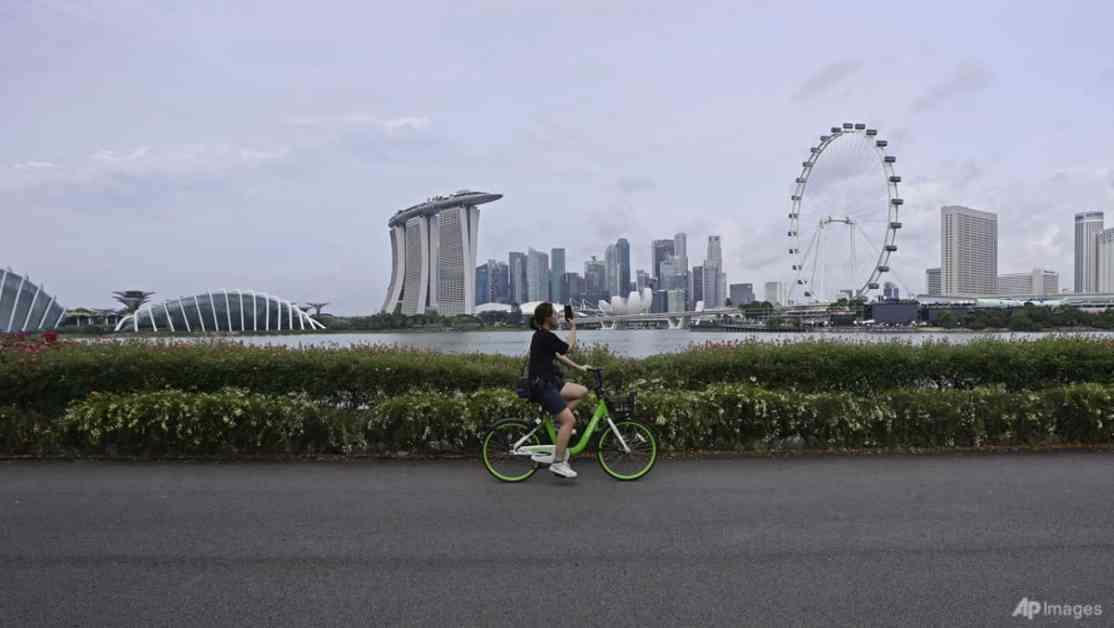
Self-care is a critical component of maintaining a healthy work-life balance. This can include regular exercise, a balanced diet, adequate sleep, and engaging in activities that bring joy and relaxation. Singapore offers a plethora of options for self-care, from yoga classes and spa treatments to nature walks in the city’s many parks and gardens.
3. Leverage Technology
Technology can be a powerful tool for managing work-life balance. Productivity apps, time management tools, and virtual communication platforms can help streamline work tasks, allowing for more efficient use of time. Additionally, technology can facilitate remote work, providing flexibility and the ability to work from home when needed.
4. Build a Support Network
Having a strong support network can make a significant difference in achieving work-life balance. This can include family, friends, colleagues, and professional networks. Sharing responsibilities, seeking advice, and having people to rely on can alleviate stress and provide emotional support.
The Role of Employers in Promoting Work-Life Balance
Employers play a crucial role in promoting work-life balance among their employees. Companies in Singapore are increasingly recognizing the importance of creating a supportive work environment that encourages a healthy balance between work and personal life. Initiatives such as flexible work arrangements, wellness programs, and mental health support can make a significant impact.
Employers can also foster a culture that values productivity over long working hours. Encouraging employees to take breaks, use their vacation time, and disconnect from work during personal hours can contribute to a more balanced and satisfied workforce.
Conclusion
Achieving work-life balance in Singapore is a multifaceted challenge that requires effort from both individuals and employers. By setting clear boundaries, prioritizing self-care, leveraging technology, and building a support network, individuals can create a more harmonious and fulfilling lifestyle. Employers, on the other hand, can play a pivotal role in promoting a culture that values work-life balance, ultimately leading to a happier and more productive workforce.
In the end, work-life balance is not about achieving perfection but about finding a sustainable equilibrium that allows individuals to thrive both professionally and personally. By taking proactive steps and seeking support when needed, achieving a balanced lifestyle in Singapore is within reach.