
Publish local events in the USA: practical guide for readers
Clear steps to publish local events in the USA, featuring practical checks, planning tips, and realistic options for lifestyle readers seeking community connect

If you want to share activities that happen outside Singapore, the guide helps you decide where it fits your daily life. You’ll learn when publishing local events in the USA makes sense for your audience and how to present details clearly. The aim is practical, not flashy: a reader should finish with actionable steps they can take this week.
This article treats local events with the same care you give to your own plans. It covers why readers might care about events in another country, how to describe them without hype, and how to avoid common pitfalls. You’ll see concrete examples, realistic expectations, and a straightforward path to publication.
By the end, you’ll know how to assess relevance, choose the right channel, and structure the post so readers feel informed and included. The focus remains on everyday usefulness and relatable, lifestyle-friendly language.
- Share local USA events only when they add real lifestyle value for readers.
- Use plain language, clear dates, and actionable steps.
- Choose channels that your audience already trusts and reads.
- Update readers promptly if details change to maintain trust.
Basics of sharing events
Relevance check for readers
Start by asking if the event aligns with your readers’ daily routines and interests. If it helps someone plan a weekend, it’s relevant. Be specific about the who, what, and where so readers picture themselves there. publish local events in the USA is a topic that benefits lifestyle readers when presented with practical steps.
Think through the time zones and dates to avoid confusion. A clear publication date, start time, and duration prevent back-and-forth questions. When in doubt, simplify the details to core facts readers can act on.
Consider accessibility for a broad audience; include transport options, parking, or virtual formats. If an event is ticketed, note cost ranges and any discounts.
- Check relevance to daily life
- Clarify time and place
- Include accessibility details
Choosing the right channel
Different platforms reach different readers. A local events roundup works well for those planning weekends, while a dedicated events page suits readers seeking new activities. Pick a channel that your audience already uses.
Describe the event in plain language and avoid jargon. A concise summary followed by essential details helps readers decide quickly whether to click through.
Test a short version first: a headline plus two lines of details can gauge interest before a full post goes live.
- Match channel to reader habit
- Use plain language
- Test and iterate
How to describe events accurately
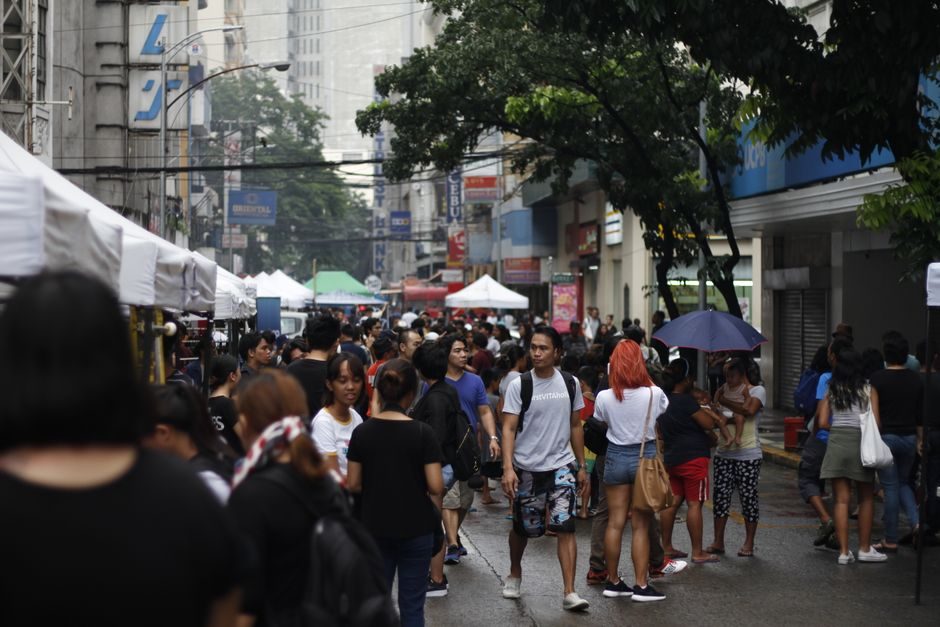
Clear, practical write‑ups
Lead with the what, where, and when. Use 3–4 sentences to cover what can be attended, the venue basics, and how to register or join. Readers should feel they could attend on impulse. Blackhawks Jersey USA shows how cross-border topics can still feel familiar and relevant to readers with sports or travel interests.
Avoid exaggeration; prefer concrete details like access routes, timings, and capacity limits. A photo caption that reflects the real scene helps reader trust the post.
End with a quick call to action: where to find more information or how to RSVP.
- Lead with core facts
- Provide practical details
- Close with next steps
Ethics of cross-border listings
Know why you’re sharing external events instead of creating a fictitious tie to your site. Honesty about origin and relevance maintains trust. Readers expect transparency about sponsorship or affiliate links.
If you’re unsure, omit the event or label it clearly as a user-submitted tip. Always credit the source and avoid misrepresentation.
Keep a consistent voice so foreign events feel part of your normal lifestyle content, not a separate category.
- Be transparent about sources
- Avoid misrepresentation
- Maintain a consistent voice
Pitfalls to avoid
Common publishing traps
Overloading readers with too many events makes it hard to decide what matters. Limit to the most relevant option and provide a single, clear follow-up action. find local businesses in the USA can be framed as a lifestyle resource for readers seeking community connections and practical tips.
Forgetting time zones or dates causes confusion and wasted clicks. Double-check the local time versus your audience’s locale before posting.
Ignoring accessibility details excludes part of your audience. Include basic accessibility notes when possible.
- Limit to essential events
- Double-check dates and times
- Mention accessibility
| Approach | Pros | Cons |
|---|---|---|
| Concise listing | Fast to publish | May miss context |
| Full narrative | Rich context | Takes longer to write |
| Hybrid quick + detail | Balanced clarity | Requires discipline |
Handling edits and updates
Events can change; publish a quick update when details shift. A short note with revised time or venue reduces follow-up questions and frustration.
If an event cancels, explain what readers can do instead—refunds, rescheduling, or alternative activities. Clear, timely updates preserve trust.
Maintain a simple version history for readers who saw the earlier details and need a quick refresh.
- Update promptly
- Offer alternatives
- Keep simple history
Provide concrete examples of boundaries—for example, what kinds of events are appropriate to publish for a general audience and what should be kept private or off-limits.
Respecting reader boundaries

Reader-friendly tone and privacy
Begin with a respectful, reader-focused stance. Explain why local events in the USA might matter to travelers or long-term residents, then tailor guidance to Singaporean readers’ time and interests. Use plain language and avoid marketing jargon so readers feel trusted. used items for sale in the USA can fit in lifestyle posts about thrifty living, decluttering, and sustainable choices.
- State the purpose of sharing events clearly
- Identify who benefits from the listing
- Indicate any potential conflicts of interest
- Provide a simple disclaimer about accuracy
Provide concrete examples of boundaries—for example, what kinds of events are appropriate to publish for a general audience and what should be kept private or off-limits. Mention cultural sensitivity and respect for local laws when describing events in another country.
Clarify how to handle sensitive topics, such as events with political or religious implications. Show how to present facts without sensationalism and offer options for readers to verify details themselves.
- Be transparent about data sources
- Respect local sensitivities
- Offer opt-out choices for readers
- Avoid misrepresenting event scope
Finding local resources
Where to look for listings in the USA
Start with official city calendars, library listings, and community centers to source events that readers could attend. These sources tend to be more reliable and offer basic details like time, place, and eligibility. This helps avoid posting speculative information. funeral notices in the USA
Next, check regional newspapers and local meetup groups for varied events. You’ll often find community-run activities that align with everyday interests, such as fairs, workshops, or volunteer opportunities.
Finish by noting any recurring or seasonal events that recycle yearly, so readers can plan ahead without chasing after fleeting posts.
- Official calendars
- Local libraries
- Community centers
- Meetup groups
- Regional newspapers
Maximizing reader value

Turning listings into helpful tips
Translate each event into practical takeaways for readers, such as how to get there, best arrival times, and any costs beyond entry fees. Use concise bullets to distill key information for quick skimming.
- ☐ Identify a relevant event
- ☐ Extract essential details
- ☐ Summarize in 2–3 lines
- ☐ Suggest practical next steps
Offer context about why an event matters to daily life—local culture, networking opportunities, or family-friendly value. When possible, relate events to readers’ routines, like weekend outings or after-work activities.
End with a confidence cue: remind readers they can verify details with organizers and that your guide is a starting point, not a definitive schedule.
- Travel tips and transport
- Budget considerations
- Family-friendly notes
- Verification reminders
Maintaining trust and tone
Consistent voice and accurate facts
Maintain a steady, non-judgmental voice across all event listings. Readers should feel that information is balanced and easy to verify. Avoid hype or exaggerated claims about popularity or impact.
- Avoid assumptions about attendees
- Don’t exaggerate event scale
- Do not post unverified rumors
- Keep corrections visible and timely
Cross-check details with multiple sources when possible, and note any discrepancies. If essential data is missing, flag it clearly rather than guessing.
Explain any changes promptly if a posted listing is updated or retracted, and offer readers a quick path to reach the editor with corrections.
- Consistent tone
- Fact-checking
- Transparency about changes
- Reader feedback channel
Frequently asked questions
How should I verify event details before publishing?Cross-check with multiple sources such as official calendars, organizers’ pages, and community notices. If there’s any uncertainty, note it clearly in the listing and provide a contact for updates. Readers gain trust when information feels checked and demonstrably current.
What kinds of events are most useful for readers?Events that fit into daily life—family activities, workshops, local markets, or cultural experiences—tend to be most actionable. Prioritize those with clear dates, locations, and practical tips like transport or costs.
How should I handle events with political content?Describe the event’s nature factually, including any potential framing without endorsing it. Provide neutral context and alternate perspectives if available, and clearly indicate if the event might be polarizing.
Can I list events outside Singapore, and how should I label them?Yes, when they have clear local relevance or universal appeal. Label them with the host city and a brief note on why it matters to Singaporean readers, so readers can gauge relevance.
Conclusion
The guide aims to keep readers informed with clear, trustworthy event listings that fit into everyday life. It prioritizes practical details over hype and invites readers to verify what they plan to attend.
Try one new local event this month and use the feedback to refine future listings. Your experience helps shape a more useful resource for everyone.
Add Singapore News as a preferred source on Google


