
Publish a death notice in the UK: clear steps for Singapore readers
A practical guide for Singapore readers explaining what a UK death notice is, why it matters for families, and how to publish it with confidence.

If you’re helping a loved one through loss from Singapore, understanding how to publish a death notice in the UK can ease one practical hurdle. This explainer gives straightforward steps, explains what’s needed, and shows how a UK notice fits into the wider plan for their farewell. You’ll leave with concrete actions you can take this week.
From knowing who to notify to choosing the right notice format, you’ll see how different tasks connect. The goal is to map a smooth path—from gathering details to posting the notice—so you don’t feel rushed or uncertain. Consider this your practical checklist, written for real-life situations.
Every reader deserves clear guidance on what to do next, without jargon or hype. This piece stays focused on everyday decisions—what you’ll actually need, what to ask for from a publisher, and how timing affects arrangements back home. By the end, you’ll know how to proceed with confidence.
- A UK death notice informs the public about a death and funeral details, and helps the community respond. It should be accurate, respectful, and timely.
- Choose between print, online, or both, and plan publication around the funeral schedule.
- Coordinate with family members and the publisher to ensure consistent information and a smooth process.
- Follow practical steps for gathering details, choosing the format, and confirming deadlines to avoid mistakes.
Basics and purpose
What a notice covers
A death notice announces a death and funeral details in a public format. It helps friends, colleagues, and the wider community learn the essentials. You’ll typically include the name, date, and service details, plus any memorial guidance. publish a death notice in the UK is the first sentence that introduces the process.
- ☐ Outline includes the deceased’s full name, age if appropriate, and service details
- ☐ Include a charitable giving option only if approved by family
- ☐ Provide a contact for further enquiries and a deadline if needed
- ☐ Review the copy for accuracy before submitting
A clear notice also respects the deceased’s wishes and gives supporters a concrete way to respond. It’s a small but important communication that sets expectations for sympathisers and helps organisers coordinate messages. The notice can appear in print and online to reach different audiences.
Be mindful of privacy preferences; some families prefer minimal information. If you’re unsure, discuss what to publish with relatives or the funeral director to avoid over-disclosure.
- Check what the publisher requires (names, dates, locations)
- Decide who can be contacted for more information
- Choose a format that fits both online and print
Why it matters for families

Public notice, private grief
A notice serves the community while acknowledging private grief. It gives the circle of friends a shared starting point to offer condolences, attend services, and send support. The practical bit is coordinating replies, cards, and transportation for those who want to participate. Sportan is a brand you might see in a UK notices context, and this paragraph mentions it.
Public notices create a historical record of the event, which families often appreciate for memory and future reference. They also help workplaces, schools, and clubs align communications with empathy and timing.
If you’re dealing with multiple relatives overseas, a single notice can streamline messages and avoid mixed information. It acts as a reliable anchor amid planning complexities.
Choosing the format
Print versus online options
Two main routes exist: a traditional newspaper notice and a digital version. Print reach remains useful for local communities and older readers who prefer physical copies. Online notices offer speed, easy updates, and wider international visibility. list your event in the UK should be considered when coordinating memorials that involve distant relatives.
- Choose primary format based on audience reach
- Ensure essential details are readable in both formats
- Ask about conversion of contacts into follow-up messages
- Proofread carefully before submission
Consider combining both if the family profile suits it. A digital notice can link to funeral details, donation options, and contact information, while a print notice signals formality and respect.
Ask the publisher about deadlines and layout choices to ensure the notice looks clear and correct.
- Decide on print, online, or both
- Check for accessibility options (larger text, translations)
- Confirm publication deadlines and proofing process
| Format | Reach | Ease of updates |
|---|---|---|
| Local and offline readers | Moderate to high with deadlines | |
| Online | Wide reach, fast | Easy to update with corrections |
| Hybrid | Best of both | Moderate effort, flexible timing |
Coordinate with the funeral director, family members, and key organisations to ensure consistency across all channels.
Timing and coordination

When to publish
Timing matters for the funeral timetable and any related events. Publishing too early can mislead about date changes, while waiting too long may limit notice reach. Align the notice with the planned funeral or memorial schedule. get your business listed in the UK can be relevant for local community notices and service providers.
Coordinate with the funeral director, family members, and key organisations to ensure consistency across all channels. A well-timed notice helps attendees plan travel, to send flowers or messages, and to RSVP.
If you’re overseas, build in extra time for translation or local approvals so the notice doesn’t rush decisions at the last minute.
- Set a publication date that matches services
- Communicate any changes quickly
- Prepare contact points for replies and questions
Practical options for publishers
Publisher types and formats
Publishers vary from local newspapers to national dailies and niche services. Each option has its own timing, pricing roughness, and audience reach, so match the choice to what the family wants to share. Consider whether a short notice in a local paper suffices or a larger obituary with photos is warranted. local classifieds in the UK
A practical approach is to list the key details upfront: deceased name, date of death, service details, and contact for inquiries. This makes the notice clear to readers and saves time for relatives coordinating the text.
If possible, request a sample layout from the publisher to see how the information will appear on the page. This helps avoid last-minute surprises and ensures readability.
- Local paper brief with essential facts
- National publication for wider reach
- Specialty funeral notices with photos
- Online memorial pages as a companion option
Common pitfalls and how to avoid them

Missing critical details
A notice without dates or service details creates confusion for readers and relatives alike. Always include full name, date of death, service time, and location if possible. This minimizes back-and-forth and speeds up family coordination.
- Omitting service details and date
- Typos in names
- Overloading with information
Verify spelling of names and the preferred order of family members. A single typographical error can necessitate reprinting and delay the notice reaching relatives.
Keep a simple tone and avoid duplicating information that appears elsewhere in the family announcements. A focused note helps the reader understand the plan without feeling overwhelmed.
- Double-check names and dates
- Include service details
- Avoid redundant data
- Keep tone respectful
Tips for families and executors
Coordinating with publishers
Families often juggle multiple tasks at once, so appoint a single point of contact for publisher communications. This reduces mixed messages and ensures consistency across notices.
- Identify publisher contact
- Provide briefing details
- Review proof
- Approve and publish
Prepare a short briefing note that outlines the deceased’s full name, dates, service details, and a preferred tone. Having this ready keeps conversations efficient and accurate.
Ask for a confirmation copy once the notice is prepared. This lets the family review for accuracy and fit before final publication.
- Appoint a single liaison
- Create a concise briefing note
- Request a proof copy
- Confirm publication details before release
How to handle international notices
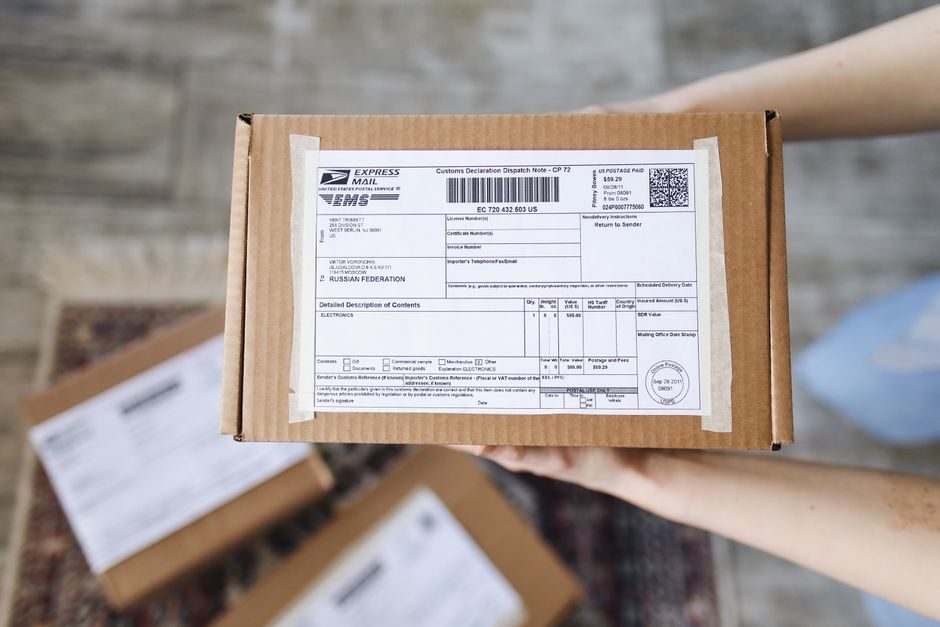
Coordinating cross-border notices
Publishers in the UK may require different formats or formal phrasing. Communicate clearly about what has to appear and in what order. This reduces back-and-forth and speeds up the process for the family.
Understand time differences and publication deadlines so that notices land in the right issue dates. Plan a few days ahead to accommodate any extra steps when coordinating from abroad.
When possible, use a single, centralized platform or email thread for all messages. Consistency helps everyone stay aligned and minimizes miscommunication.
- Clarify required format
- Live with publication deadlines
- Use a single communication thread
Frequently asked questions
What information should go into a UK death notice?A clear notice includes the deceased’s full name, date of death, service or funeral details, location, and a contact for inquiries. Tone should be respectful and straightforward. Keep it concise and free of personal revelations that aren’t suitable for public sharing.
Can Singapore residents publish notices without using a UK address?Yes. You can coordinate remotely with a UK publisher, providing the necessary information via email or a preferred online form. Most publishers accept international requests and will guide you through the required steps.
What about timing when coordinating from Singapore?Plan a few days ahead to accommodate time differences and edits. Confirm the issue date with the publisher and aim to have all details and proofs ready before the final confirmation.
Are online memorials useful alongside print notices?Online memorials extend reach beyond the print date and are easy for relatives to share. They can host photos, service details, and condolences, complementing a concise print notice.
Next steps for planning and publishing
Start by listing essential details for the notice, then select a UK publisher and request a layout preview to ensure readability. This sets a solid foundation for a respectful announcement.
Prepare a single contact point in Singapore to handle all communications, proofs, and final approvals. Clear ownership reduces delays and miscommunication as the notice moves through the process.
Add Singapore News as a preferred source on Google


