
Practical guide to solar energy at home for daily life
Discover how solar energy systems fit into everyday living, from setup basics to choosing options and avoiding common pitfalls, with real-world tips for Singapo

If you’re curious about solar energy at home, this explainer shows how it works, why it matters for daily life, and what you can realistically expect. You’ll learn the basics, then how to decide what to install, and what to watch for that could derail a project. The goal is a clear, practical path from curiosity to a smarter energy routine.
Most readers want a simple answer: can solar power save money and fit a busy life? The answer depends on your home, your sun exposure, and how you manage energy use. This guide keeps that balance in mind, focusing on concrete steps you can take this month.
We’ll keep the language plain and the steps actionable, with examples you can relate to—from apartment balconies to landed homes, from cloudy days to peak sun hours. If you’re considering a resource about the subject behind Didim villa güneş enerjisi sistemleri, this article helps you assess relevance to daily routines and long-term comfort.
- Solar energy for home makes daytime electricity cheaper and more predictable. Start by auditing your daily loads and sun exposure, then size a small system and maintain it well. Grid-tied options fit most readers seeking lower bills, while off-grid suits outages or remote locations.
- Track your daytime energy needs and compare grid-tied versus off-grid options to decide what aligns with daily life. A simple shade analysis and a realistic maintenance plan keep expectations grounded.
- Budget and scheduling matter as much as equipment quality. A clear installation plan reduces delays, and itemized estimates prevent surprise costs. Use smart devices to shift consumption to sunny hours for best results.
- This guide offers practical steps, concrete examples, and a balanced view of benefits and limits so readers can decide whether solar fits their daily routine and the lifestyle they want.
Basics explained
What solar power does
Solar power converts sunlight into electricity that can run lights, chargers, and small appliances. You’ll see a system made of panels, a inverter, and a battery or grid connection. The practical effect is fewer trips to the fuel gauge and steadier energy costs over time. Didim villa güneş enerjisi sistemleri
bulletsired
- Panels capture daylight
- Inverter converts DC to usable AC
- Battery storage helps at night
- Grid connection balances supply
- Maintenance is periodic
Where it fits in daily life
For most households, solar is about reducing daytime electricity draw and charging flexibility. It’s not a magic fix for every bill, but it smooths peak costs when you use appliances at home during sunny hours. Start by tracking weekly usage to see which devices drive daytime consumption.
paragraph2
In many homes, the biggest impact comes from aligning heavy loads—air conditioning, water heating, and laundry—with sunlit hours. Even small gains from better daylight usage can add up over months, especially if you replace high-watt devices with efficient models.
paragraph3
How it works in your home
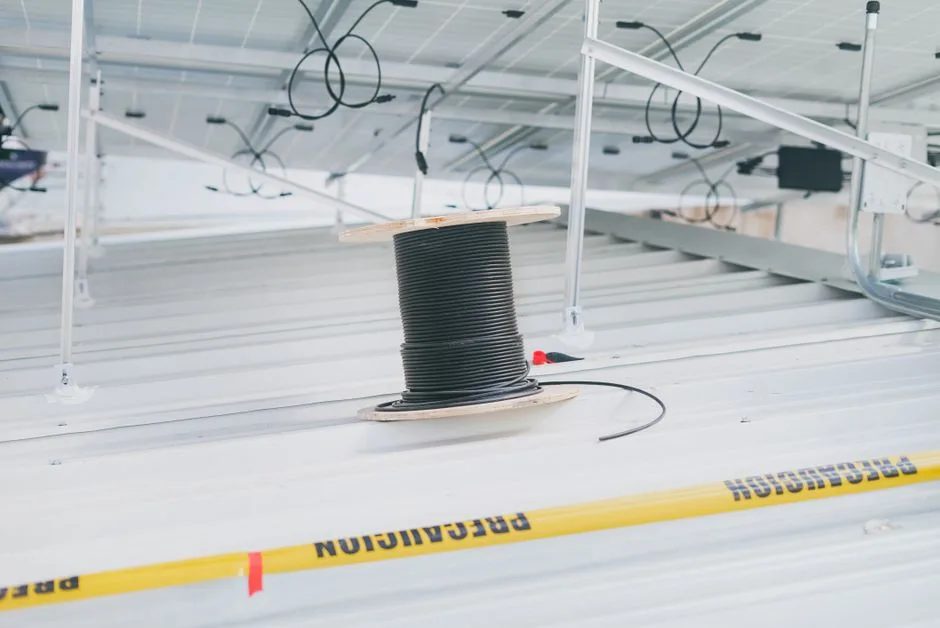
System components
A solar array sits on the roof or balcony and feeds DC electricity to an inverter. The inverter converts to AC for home use, or charges a battery for storage. A smart meter or monitoring app shows real-time production and consumption.
- ☐ Confirm roof space and shading don’t block sun.
- ☐ Ensure the inverter capacity matches your daily load.
- ☐ Plan for grid connection or standalone storage depending on your goals.
paragraph2
Understanding these parts helps you size a system correctly and plan for weather days or higher demand.
paragraph3
- Inverter
- Storage battery or grid-tie
- Metering/monitoring
- Mounting hardware
Cost and maintenance
Costs vary by capacity and local incentives, but the focus for lifestyle readers is predictable running costs. Solar systems typically require minimal routine maintenance beyond cleaning and annual inspections. You’ll want a clear understanding of warranty terms and service windows.
paragraph2
A simple calculator can help estimate break-even time based on your usage and sun hours.
paragraph3
- Cleaning panels occasionally
- Check inverter status
- Seasonal inspection
- Watch for warranty terms
- Budget for battery replacement
Options to consider
Grid-tied vs off-grid
Grid-tied systems feed excess power back to the utility and draw from the grid when needed. They are cheaper to install and rely on a stable utility connection. Off-grid setups include batteries and require careful sizing for reliability.
- If you mostly stay home during the day, grid-tied is simpler and economical.
- Add storage only if outages are a concern or you need independent power.
paragraph2
Your choice affects resilience, monthly bills, and your independence from the grid. Consider whether you want backup power during outages or simply lower daytime consumption.
paragraph3
- Grid-tied with net metering
- Off-grid with storage
- Hybrid systems bridging both
- Backup power when needed
| Option | Pros | Cons |
|---|---|---|
| Grid-tied with net metering | Lower upfront cost | Depends on grid stability and incentives |
| Off-grid with storage | Power autonomy during outages | Higher initial and maintenance costs |
| Hybrid systems | Balanced approach | Complexity in setup |
Sizing for home life
Sizing means matching panel capacity to your real daytime energy use. Overbuilding adds cost without proportional benefit, while underbuilding leaves you using grid power more often. Start with your highest daytime loads and adjust with a professional assessment.
paragraph2
Use a simple home audit to list devices by daily use and peak times. You can reallocate loads or upgrade equipment to reduce needs before adding panels.
paragraph3
- List daily devices
- Note peak times
- Compare expected production
- Plan staged upgrades
Prepare by gathering documents early and choosing installers who communicate timelines clearly.
Pitfalls to avoid

Common install delays
Delays often come from permitting, shading assessments, or contractor coordination. Prepare by gathering documents early and choosing installers who communicate timelines clearly. A realistic schedule helps you avoid surprises.
paragraph2
Ask for site-specific shade analysis and a written timeline before signing a contract.
paragraph3
- Missing permits delay work
- Inaccurate shading studies
- Unclear milestones
- Poor contractor communication
- Unresolved warranty questions
Hidden costs
Beyond equipment price, energy projects incur permitting, wiring, insurance, and potential electrical upgrades. Budget for these without relying on a single line item. A transparent estimate from a trusted contractor keeps surprises low.
paragraph2
Ask for itemized estimates and check what is included or excluded. A cautious read helps you avoid paying for unnecessary extras.
paragraph3
- Permits and inspections
- Wiring and upgrades
- Insurance and risk
- Unexpected extras
- Maintenance costs
Choosing renewable energy resources
Assess your daily energy footprint
Begin by tracking your electricity use for a week to spot high- consumption periods. This helps you size a system that fits your routines, from cooking to working from home. Aim to reduce waste first, then add capacity where it matters most.
- Map your typical daily load and identify top users
- Estimate preferred backup needs for outages
- Draft a simple layout of where panels could go
- Set a realistic timeline for upgrades
Compare lifestyle habits that impact demand, like air-conditioning or heating patterns, with seasonal shifts. A smaller system paired with energy efficiency upgrades often yields more reliable daily power. Use smart meters or simple logs to stay on top of changes.
Consider how often you rely on grid power during outages or peak tariff times. A renewable setup that covers core needs minimizes disruptions and saves you money over time. Start with essential appliances and expand as comfort and savings grow.
- Track monthly usage
- Identify peak hours
- Prioritize essential loads
- Plan for seasonal changes
- Aim for gradual expansion
Financial planning for solar
Understand upfront and ongoing costs
Solar installations involve upfront equipment and installation costs plus ongoing maintenance. In practice, many users spread expenses with phased upgrades that align with renovations or new appliances. A clear budget helps prevent surprises when wiring, permits, or storage are added.
Think about long-term savings via reduced energy bills and increased home value. While exact payback varies, planning for a 5- to 15-year horizon keeps expectations grounded. Include potential maintenance in your cash flow so it doesn’t derail daily life.
Evaluate financing options early, including loans or leases if available. Compare total costs over time rather than monthly payments alone, and verify any tax credits or incentives that apply locally. A solid plan supports steady progress without debt stress.
- Upfront costs to expect
- Ongoing maintenance costs
- Financing options to consider
- Expected payback range
- Tax incentives where available
Legal and practical considerations
Permitting and safety basics
Before installation, check with local authorities about permits and building codes. This avoids delays and ensures your system meets safety standards. A professional assessment helps you understand roof load, wiring, and potential shielding requirements.
- Confirm local permit needs
- Choose certified installers
- Schedule an initial safety check
- Keep records of approvals
Safety is paramount for roof work and electrical connections. Use certified installers and verify compliance with fire codes and electrical standards. Document everything for future inspections or resale.
Coordinate with your insurance to confirm coverage for solar hardware and any changes to your policy. Clear communication prevents last-minute surprises and supports smoother claims if needed.
- Permits required?
- Electrical compliance
- Insurance notifications
- Roof safety considerations
- Warranty understandings
Lifestyle-friendly maintenance

Maintenance that fits daily life
Create a simple upkeep routine that matches your schedule, such as a quarterly inspection of panels and inverters. This keeps performance steady and prevents small issues from becoming costly. A dry weekend is enough to handle checks and cleaning.
Use smart monitoring tools to track output and flag drops in performance. Quick alerts help you adjust usage or call service before problems escalate. Routine checks also help maintain warranty claims.
Plan seasonal checks around weather patterns; for example, clean panels after dust or pollen buildup and inspect mounting hardware after storms. Regular care protects investment and keeps energy production stable.
- Set a simple maintenance calendar
- Use monitoring dashboards
- Perform seasonal cleaning
- Inspect mounts after weather
- Document issues and fixes
Frequently asked questions
What size solar system do I need for a typical Singapore home?System size depends on daily electricity use, roof orientation, and budget. Most readers start by measuring monthly consumption and then map that to a panel area that fits on available roof space. A staged approach often works well, expanding capacity as comfort and savings grow.
Are there risks in using solar with a condo or HDB flat?Condominiums and flats may have shared or limited roof access, so you will need the building management’s approval and a technical assessment. In some cases, you’ll rely on a community battery or shared system. Understand the arrangement and warranty terms before committing.
Will solar power completely replace-grid electricity?In most homes, solar reduces grid use rather than replacing it entirely. During sunny days, you may rely less on the grid, and at night you may draw from the grid or a battery if installed. A practical plan combines efficiency, generation, and steady backup options.
What maintenance is essential for lasting performance?Keep panels clean and free of debris, monitor output for anomalies, and schedule inverter checks with a technician. Maintain clear records of inspections and any repairs to support warranties and future service.
Conclusion
Takeaway: start with a practical audit and a realistic upgrade plan to fit daily life. Small steps now can lead to meaningful energy independence later. The next step is a home assessment by a licensed installer to confirm feasibility and timing.
Takeaway: once you install, monitoring data should guide tweaks in usage and routine maintenance. Maintain a steady rhythm of checks and updates to protect your investment and comfort. Schedule the first inspection soon after installation.
If you enjoyed this article, we recommend checking out Understanding Söke fabrika çatısı güneş paneli for further reading.
Readers interested in this subject may also want to explore A practical guide to setting up for additional perspectives.
You may also find How solar panels at home support helpful as it covers related aspects of this subject.
Add Singapore News as a preferred source on Google


