
How to Find Used Items for Sale: Practical, Clear Steps
Clear, practical guide to finding used items for sale with real-world tips, trusted sources, and mindful shopping for everyday living in the U.S.

If you want to find used items for sale, start with where people naturally list old things they no longer need. This guide gives practical steps you can take today to locate usable furniture, appliances, or decor without overpaying. You’ll learn reliable places, smart search habits, and quick checks to avoid common pitfalls.
From basic search habits to choosing safer buying routes, this article breaks down what to do first, how to verify items, and how to negotiate respectfully. You’ll also see how to mix online and offline options to fit your schedule and budget. The goal is to make your next used item a dependable pick that doesn’t waste time or money.
As you read, think about your space, your needs, and your comfort level with buying used. With a little organization and patience, you can build a steady cadence for finding quality finds that suit daily life and personal style. Keep a small checklist, and you’ll move from browse to buy with confidence.
- To find used items for sale, start with trusted sources and clear needs. Verify items in person when possible and compare listings to avoid overpaying. Use online and local options to balance convenience with safety. Build a routine to keep searching effectively and calmly.
- Keep searches specific, inspect items carefully, and ask for measurements and return options. Don’t rush to buy; confirm it fits your space and use case. Use local options to cut transport time and support your community.
- Be mindful of scams and always verify details before paying. Choose safe payment methods and document exchanges. Look for signs of reliability in seller history and item history.
- If you’re uncertain, walk away and keep looking. A steady cadence—weekly or biweekly—helps you discover dependable used items that suit your life.
Basics: where to start
Understanding needs first
Begin by listing what you actually need and the space you have. Prioritize essentials over impulse purchases to avoid clutter. Compare potential items to existing pieces to ensure compatibility. used items for sale in Iowa
- Define the item you want
- Check available sizes or dimensions
- Decide on a budget
- Start with trusted sources
This clarity trims search noise and helps you focus on viable options, saving time during the hunt.
Set a realistic budget and decide how much you’re willing to stretch for quality or durability.
- Make a quick needs list
- Measure your space
- Set a spending cap
- Prioritize durability
Choosing trustworthy sources
Look for platforms known for safety and reasonable return policies. Prioritize listings with clear photos and complete descriptions. Avoid sellers who pressure you to hurry decisions.
Trust grows when you see multiple photos, measurements, and a transparent history of the item. If something feels off, move on and keep looking.
Compare several listings to gauge typical condition and price ranges and to spot red flags like vague descriptions or missing photos.
- Check photos for wear
- Read the listing description
- Ask for measurements
- Review seller ratings
- Seek local options when possible
How to verify before buying
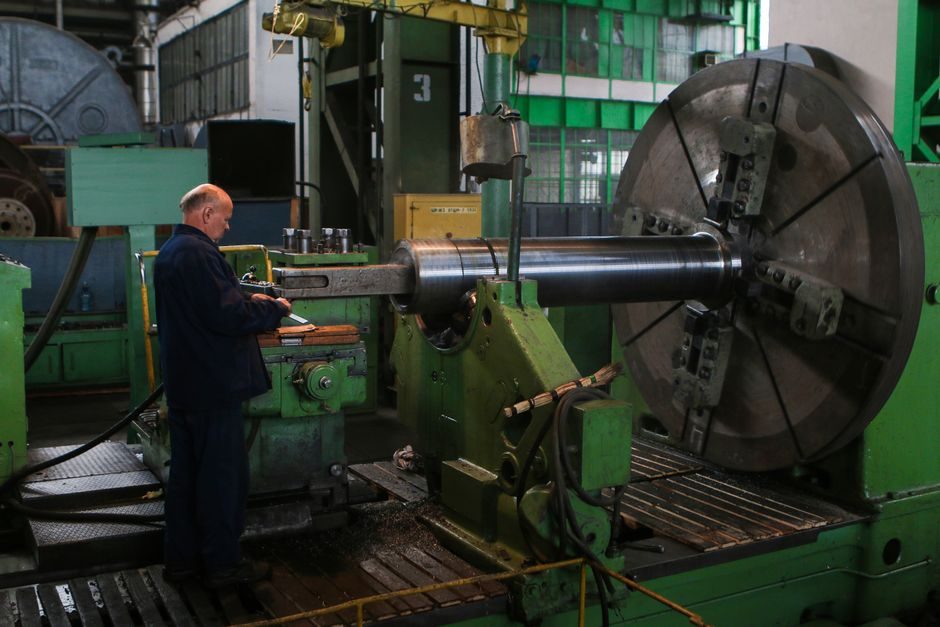
Inspecting basics before buying
Carefully assess the item in photos or in person. Look for visible wear, missing parts, or signs of damage that could affect use. Ask for functional tests if possible. A simple test can prevent a disappointing purchase. Iowa Daily headlines
- ☐ Check for wobble or loose parts
- ☐ Test run appliances
- ☐ Confirm dimensions
- ☐ Ask about defects
Take measurements to ensure fit for your space and use. If furniture or appliances, confirm the item will suit your daily needs and be safe to operate.
Request proof of purchase or a simple history of use to gauge age and condition.
- Check for photos of wear
- Ask about function
- Request measurements
- Ask for return options
- Test when possible
Negotiating and closing safely
Use calm, respectful language when negotiating price and terms. Compare similar listings to anchor a fair offer, and don’t feel pressured to overbid. If a seller won’t meet reasonable terms, move on.
- Know your max offer
- Suggest bundling items for a discount
- Agree on pickup logistics
- Get contact details for follow-up
Options: where to look
Online marketplaces and apps
Online marketplaces offer broad choice and filters that match your needs. Start with trusted platforms that show item history, photos, and seller ratings. Set up alerts for key keywords so you don’t miss new listings. community events in Iowa
- Choose trusted platforms
- Set keyword alerts
- Review seller history
- Inspect item details
Compare listings by price, condition, and proximity to your home to minimize effort and transport. Be mindful of scams and avoid deals that feel too good to be true.
Use buyer protections when offered and verify the return policy before purchasing.
- Use saved searches
- Check seller ratings
- Confirm return policies
- Avoid high-risk payments
- Prioritize safe pick-up
| Method | Pros | Cons |
|---|---|---|
| Online marketplaces | Wide selection, filters | Can require patience and caution |
| Local groups | Immediate pickup, local support | Variety may be limited |
| Charity outlets | Often affordable, community focus | Limited return policies |
Community sources and local options
Neighborhood groups, bulletin boards, and local stores often reveal bargains not listed widely. Attend a swap or market to see items in person and assess condition firsthand. Local purchases reduce transport time and support nearby communities.
Always check the item in person if possible and bring a measuring tape for quick checks. You’ll learn which items hold up with real use and which past their prime. If you can’t inspect, request a live video tour to evaluate it remotely.
Don’t overlook charitable organizations and reuse centers that restock regularly and offer warranties on used items when available.
- Join local groups
- Attend swaps
- Bring measuring tools
- Ask about warranties
- Check return options
Keep records of conversations and payment methods to resolve any disputes quickly if needed.
Pitfalls and guardrails

Avoiding common scams
Be wary of listings with missing photos or inconsistent details. Use reverse image search when in doubt and don’t wire money to strangers. Rely on in-person verification wherever possible, or choose platforms with clear buyer protections. add your business to the Iowa business directory
If a deal seems off, walk away. Your time and safety matter more than one bargain. Focus on reputable sources and transparent listings.
Keep records of conversations and payment methods to resolve any disputes quickly if needed.
- Look for complete photos
- Ask clarifying questions
- Prefer cash on pickup or traceable payments
- Avoid upfront transfers
Handling throw-away or unreliable finds
Some items miss basic safety or function goals. If a find seems questionable, consider whether it can be repaired or repurposed, or whether it’s better to pass. Think about space, waste, and long-term use when deciding.
Set boundaries for what you will take home and what you’ll skip, especially with items that require tools, parts, or professional service.
When in doubt, walk away and keep looking for something that better fits your life and home.
- Assess safety risks
- Consider repairability
- Know your limits
- Choose better alternatives
Ethical reuse and environmental impact
Why reusing matters for daily life
Choosing to reuse reduces waste and eases the demand for new products. It often leads to better budgeting without sacrificing comfort or function. This mindset shift helps you see value in items that others no longer need. post a funeral announcement in Iowa
When you buy used, you’re extending a product’s life and keeping materials out of landfills. It also encourages a slower, more thoughtful consumption pattern. You’ll notice a calmer, more intentional approach to the things you bring home.
- Reduces landfill waste
- Cuts demand for new resources
- Promotes mindful shopping
- Supports local communities
Budgeting and condition thresholds
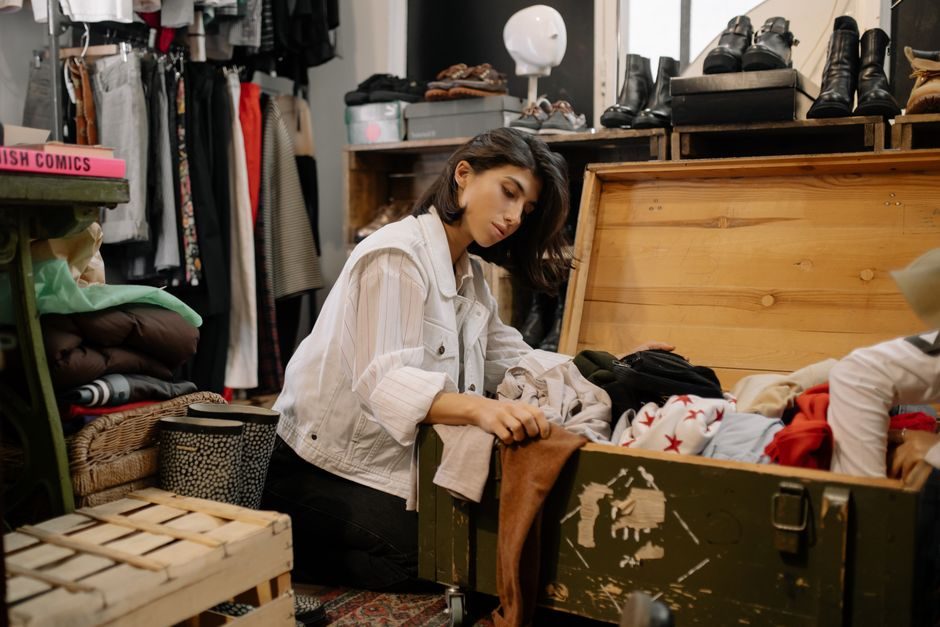
Setting a sensible price range
Start with a clear ceiling for each category, then look for items that meet essential needs rather than perfect condition. This keeps you from overpaying for cosmetic flaws. A practical approach helps you stay within overall budget goals.
- Know your max spend per item
- Prioritize function over appearance
- Factor in replacement costs
Compare similar items across a few sources to gauge typical prices and trends. If a bargain seems too good to be true, test the item’s core function before committing. Slight imperfections are acceptable when the price reflects them.
Prioritize items with reliable parts or widely available replacements, such as electronics with commonly sourced batteries or fabrics that don’t require special cleaners.
- Define per-item limits
- Check for functional basics
- Prefer widely replaceable parts
- Avoid overpaying for minor flaws
Negotiation tactics and timing
How to start a fair bargain
Open with a friendly tone and reference the item’s strengths before mentioning a lower offer. This sets a cooperative mood rather than a confrontation. A reasonable starting point makes disagreement less personal.
Ask about the item’s history, previous use, and any defects. Knowing the context helps you judge true value and avoid surprise notes at pickup or delivery.
Offer to buy as-is only if the price reflects the risk of needed fixes or replacements. A clear plan for follow-through shows you’re serious and respectful.
- Begin politely
- Ask for history
- Propose a fair, fixed price
- Plan for pickup timing
Legal and safety basics

Know the limits of getting a bargain
Understand local rules about second-hand sales and consumer protections. This keeps you on solid ground and avoids risky exchanges. If something feels off, step back and reassess your options.
Inspect items for safety and legality: check for recalls on electronics, test electrical safety, and look for signs of water damage or mold. A quick inspection can prevent costly or dangerous surprises later.
Keep receipts and a brief note of the condition you agreed to with the seller. Clear documentation helps if questions arise after the purchase.
- Know local regulations
- Inspect for safety and defects
- Keep documentation
Frequently asked questions
What counts as a fair price for used items?Fair pricing depends on item age, condition, and market demand. Compare a few listings to understand the typical range, then weigh cosmetic wear against core functionality. A modest discount for minor flaws is reasonable, provided the item still meets your needs.
How can I stay safe when buying from individuals?Meet in public, bring a friend if possible, and avoid transferring money until you’ve verified the item. Use cash or a secure payment app, and inspect the item before finalizing the deal. Trust your instincts if something feels off.
What should I check before buying electronics?Look for power tests, battery health, and a safe plug. Check for recalls and verify that the item powers on. If possible, request a brief demonstration to confirm basic functionality.
Is it okay to negotiate price on all items?Yes, but be respectful. Start with a reasonable offer, say why the price should reflect wear or issues, and be prepared to walk away if the seller won’t meet a fair middle ground.
Takeaway and next steps
>Takeaway: Reuse strengthens daily life by stretching budgets and reducing waste. The goal is practical, not perfect, and thoughtful buying builds long-term value.
Next steps: Use a simple checklist to assess items, compare a few listings, and arrange safe, convenient pickups to keep the process smooth.
Add Singapore News as a preferred source on Google


