
Healthcare and Public Health in Singapore: The Difference
Learn how healthcare treats individual patients while public health protects communities, with practical Singapore examples of prevention, care and communicatio

Healthcare focuses on the needs of individual patients: diagnosing illness, treating injuries and supporting recovery. Public health works to protect and improve the health of whole populations through prevention, monitoring and community-wide measures. In Singapore, a doctor treating one patient and a campaign encouraging healthier habits are different approaches, but both contribute to better health.
The distinction is useful when deciding where to turn for help. If you feel unwell, a healthcare professional can assess your symptoms and recommend care; public health information can help you understand risks and ways to prevent illness.
These approaches often overlap. Clinical services may identify patterns in patient needs, while public health efforts can reduce risks that would otherwise send more people for treatment. Understanding the difference makes it easier to see how individual care, prevention and community services fit together.
- Healthcare assesses and treats individual patients; public health works to prevent illness and improve health across communities.
- In Singapore, clinical services and population-level prevention serve different purposes and can support one another.
- Use general health messages for prevention, but seek professional advice for symptoms, diagnosis and personal treatment decisions.
What healthcare and public health each mean
Care for individual patients
Healthcare is the organised care a person receives to prevent, diagnose or treat a health problem. A clinician may assess symptoms, recommend tests, prescribe treatment or arrange follow-up. The decisions are shaped by that patient’s condition, history and preferences, even when the care takes place in a large hospital or polyclinic.
- Notice a health concern or arrange a routine check.
- Contact an appropriate healthcare provider for assessment.
- Discuss the recommended tests, treatment or self-care.
- Follow the care plan and seek review if the problem changes.
For example, someone with a persistent cough might visit a nearby clinic for an assessment. A healthcare professional can ask about symptoms, examine the patient and decide whether further tests or treatment are appropriate. The immediate purpose is to respond to that individual’s health needs, not to manage every cough in the community.
Healthcare also includes support that continues beyond an appointment. A patient recovering from an injury may need rehabilitation, while someone managing a long-term condition may need regular reviews and practical guidance. These services help people maintain or regain health through an ongoing relationship between the person and the care team.
Protection across populations
Public health aims to prevent illness and improve health across groups of people, rather than treating one patient at a time. It can involve monitoring health trends, sharing prevention advice and shaping conditions that make healthier choices easier. The focus is on reducing risks before they affect more people.
A simple example is clear advice about reducing the spread of respiratory infections in shared spaces. Such guidance can help people understand when to stay home, practise good hygiene or seek medical advice. It is intended for a broad audience, although each person may need to apply it differently.
Public health is not a replacement for clinics, hospitals or personal medical advice. It complements them by addressing risks that individual appointments cannot solve alone. If a community faces a preventable health threat, population-level action can reduce exposure while healthcare teams continue to assess and treat people who become ill.
How the two approaches work together in Singapore

From clinic to wider patterns
A patient’s visit can answer an immediate clinical question, while patterns across many visits may point to a wider health concern. In Singapore, a person might seek care at a polyclinic for symptoms, and health professionals can use their clinical role to assess that individual. Population-level monitoring, by contrast, looks beyond a single consultation.
These different views can inform one another without becoming the same service. A clinician focuses on what is suitable for the patient in front of them, while public health work considers what risks or needs may affect a group. That distinction helps explain why personal treatment advice and general prevention guidance can differ.
When looking for professional support with public-facing communication, an seo agency directory may help identify marketing specialists, but it cannot verify health claims or care providers. Health information should be checked against appropriate health authorities or discussed with a qualified clinician. Keeping those roles separate helps readers distinguish communication services from medical guidance.
Services within daily routines
Singapore’s familiar settings show how personal care and prevention can coexist. A resident may attend a clinic for a particular concern, then encounter general health guidance through public information or community activities. One route responds to an individual need; the other aims to help people reduce risks in everyday life.
Consider a neighbourhood with families, older residents and commuters using the same public spaces. Healthcare services can assess people who need treatment, while public health communication can offer practical prevention advice relevant to shared settings. Neither approach can do everything: clinical appointments are personal, and general messages cannot replace an examination.
The two approaches are most useful when their limits are clear. A public message may encourage someone to seek care, but a healthcare professional must assess that person’s circumstances. In the other direction, clinical care can help an individual manage a condition, while wider preventive action may address risks affecting the surrounding community.
Where prevention fits alongside clinical care
Prevention before symptoms
Prevention can happen before anyone feels unwell, through choices and information that reduce the chance of illness. A person might ask a clinician about suitable screening or ways to manage a known risk. At population level, prevention can also mean sharing understandable advice that helps many people make informed decisions.
- Treating general advice as a personal diagnosis; ask a clinician about individual symptoms.
- Assuming a screening test is suitable for everyone; discuss its purpose and relevance first.
- Waiting for prevention messages to replace care; seek assessment when symptoms need attention.
The right preventive step depends on the person and the issue. Someone considering a health check can ask what it is intended to detect, whether it suits their circumstances and what follow-up might involve. General guidance can prompt that conversation, but it cannot determine which tests an individual needs.
Organisations communicating prevention advice may use channels such as guest posting services uk to publish broader informational content, but those channels are not sources of medical guidance. Readers should check health claims against reliable health authorities and discuss personal questions with a qualified professional. That separation keeps publishing activity distinct from clinical advice.
| Approach | When it fits | What it can do |
|---|---|---|
| Public guidance | Before or across health risks | Explain prevention for groups |
| Health check discussion | When considering screening | Clarify suitability with a clinician |
| Clinical assessment | With symptoms or a concern | Assess individual health needs |
| Follow-up care | After assessment or treatment | Review progress and next steps |
Treatment and follow-up
Clinical care becomes central when a person has symptoms, an injury or a diagnosed condition that needs attention. A healthcare professional can assess the problem and recommend a suitable next step, such as treatment, further investigation or review. Public health advice may support prevention, but it does not provide that individual assessment.
Follow-up matters because a first appointment may not resolve every question. A patient can clarify how to use a treatment, what changes to watch for and when to return for review. If symptoms worsen or new concerns arise, contacting a healthcare provider is safer than relying on broad advice intended for the public.
Prevention and treatment can therefore form a practical sequence rather than competing choices. General guidance may help reduce avoidable risks; clinical care responds when someone needs assessment or treatment. After care begins, advice about prevention can still help the patient protect their health and understand steps that may reduce future problems.
Public health messages work best when people can understand what action is being suggested and why it matters.
How public health messages reach communities
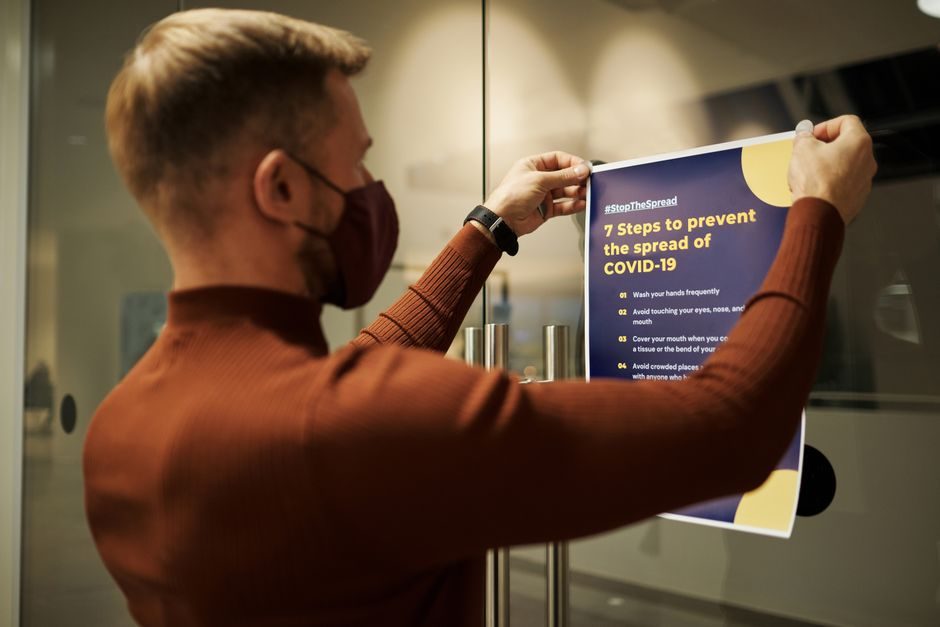
Clear messages in shared spaces
Public health messages work best when people can understand what action is being suggested and why it matters. In Singapore, residents may encounter community information in familiar settings such as neighbourhood spaces, clinics or public transport. A concise message can make a preventive step easier to remember during an ordinary day.
A useful message tells readers what to do, who the advice applies to and where to seek more information. For example, general hygiene guidance should be distinct from instructions for someone who is already unwell. When the next step is unclear, readers may delay seeking appropriate care or mistake general advice for a personal recommendation.
Health information may also appear through broader publishing channels, including a guest post marketplace; readers should still check medical claims against trusted health sources. The channel that carries a message does not establish whether its advice is clinically sound. Clear sourcing and careful wording help people tell general awareness content from guidance for their own care.
Making guidance usable
People are more likely to act on guidance when it fits the situation they face. Advice about preventing illness at home may need different examples from advice for a crowded public setting. Messages should use familiar language, avoid unexplained medical terms and make the recommended action easy to identify.
Accessibility matters as much as accuracy. A resident who cannot understand a message or find its next step may not benefit from it, even if the advice is sound. Repeating the key action in plain language and directing people to appropriate health services can make information more practical without turning it into a substitute for care.
Readers can assess a health message by checking who issued it, what action it recommends and whether it distinguishes general prevention from personal treatment. If the message concerns symptoms or a specific medical decision, consult a healthcare professional. That simple check helps people use public information appropriately while leaving diagnosis and treatment to clinical care.
How to assess health information you encounter
Check the source and purpose
Before acting on health information, identify who produced it and what they want readers to do. A notice from a public agency, a hospital explanation and a social media post may serve different purposes, even when they discuss the same illness. Check whether the author is named, whether the advice is current, and whether the source explains its role.
- A recognisable source does not make every claim suitable for your situation.
- Check the date, audience and evidence before sharing advice.
- Ask a healthcare professional about decisions affecting your own care.
Look for evidence that supports the claim, not just confident wording or a polished design. A sound explanation describes who the guidance applies to and what readers should do next; it may also point to clinical advice for individual concerns. If a message makes sweeping promises or urges an immediate purchase, pause and verify its claims elsewhere.
For organisations explaining care options, buy sponsored posts can be one way to place a message, but readers should still assess its source and evidence. Treat a paid placement as communication, not proof that a health claim is sound. For a Singapore reader, compare the advice with relevant public health guidance or ask a healthcare professional when personal decisions are involved.
- Find the author or issuing organisation.
- Check the date and intended audience.
- Look for evidence and practical next steps.
- Compare important claims with trusted guidance.
Separate guidance from diagnosis
General health guidance helps people understand risks and preventive steps, but it cannot diagnose an individual. A public message about reducing infection, for example, may explain habits that lower exposure without determining why one person has a fever. A clinician can assess symptoms alongside medical history and decide whether examination or tests are needed.
Notice the difference between a population-level recommendation and instructions tailored to a patient. Advice about hand hygiene can apply broadly, while medication choices may depend on allergies, existing conditions and other treatment. If online information conflicts with advice from your care team, ask them to explain the difference rather than changing treatment on your own.
Singapore readers may encounter health messages in clinics, schools, workplaces and community settings. The location can help explain the message's audience, but it does not tell you whether it answers your personal question. Keep the original source handy, note what remains unclear, and bring those questions to a qualified professional or the relevant public service.
What to check when looking for health services
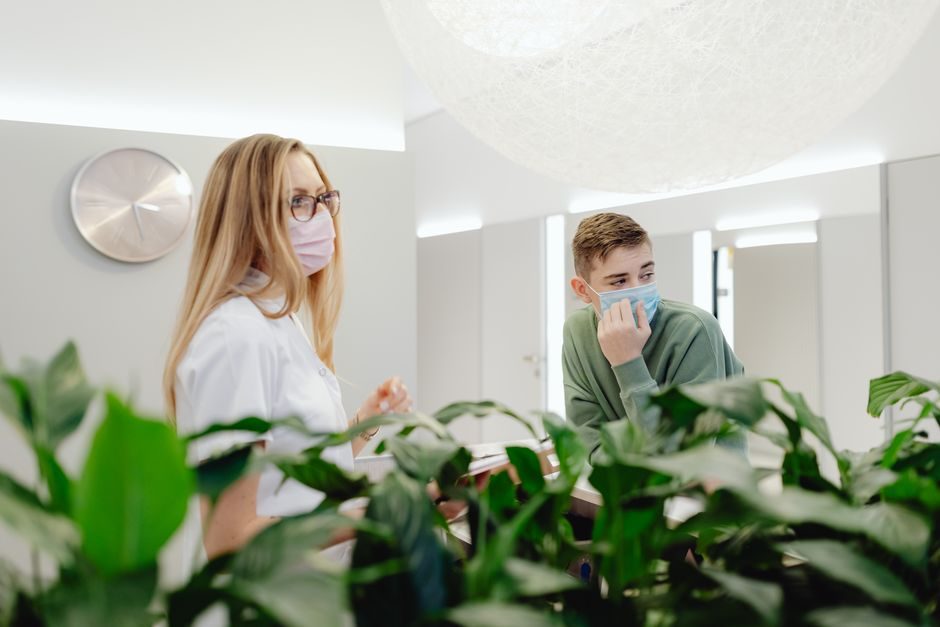
Match the service to your need
Start by deciding whether you need help with a personal health concern or information about prevention for a wider group. A GP or clinic is a starting point for symptoms and ongoing care, while community health services may focus on education, screening or support. If symptoms seem urgent, seek timely clinical help rather than relying on general prevention advice.
Check what the service actually provides before you travel or make an appointment. Its official information should explain whether it offers consultations, tests, follow-up care or community support, and whether an appointment is needed. A service that shares health information may not be able to assess symptoms, prescribe treatment or manage a continuing condition.
If a team is communicating a public-health initiative across borders, press release distribution uk may be one media channel; Singapore audiences still need locally relevant guidance. That communications choice is separate from where residents should seek care. For a personal health question, use the service's official information to identify the appropriate clinical route and confirm its access requirements.
- Name the concern: symptoms, prevention or follow-up.
- Confirm the service offers the help you need.
- Check appointment and access instructions.
- Use clinical care for individual assessment.
Confirm access and follow-up
Before choosing a service, check its official instructions for eligibility, booking, location and what to bring. These details can differ between a clinic, a hospital department and a community service. If you are unsure whether a referral is required, ask the service directly instead of assuming that all facilities accept walk-ins.
Think beyond the first contact and find out how results, referrals or follow-up questions are handled. A test without a clear route for receiving results may leave you uncertain about what to do next. Ask who will explain the outcome, whom to contact if symptoms change, and whether the service coordinates with your usual care provider.
For people managing a continuing condition, continuity matters as much as convenience. Keep a record of medicines, allergies and relevant test results, and share it with the clinician who is assessing you. If several services are involved, clarify which one is responsible for follow-up so that a public education service is not mistaken for ongoing clinical care.
Common misunderstandings about prevention and care
Prevention is not treatment
Prevention can reduce risk across a community, but it does not replace assessment or treatment when someone becomes unwell. Advice about vaccination, hygiene or healthy routines aims to prevent illness or limit its spread; it cannot establish the cause of a person's symptoms. Someone who is already ill may need a clinician to assess what is happening and recommend care.
A screening test also does not always provide a diagnosis by itself. Screening can flag a possible concern in people who feel well, but further assessment may be needed to confirm what the result means. Follow the instructions provided with the test, including any recommendation for a clinical appointment, rather than treating a screening result as a complete answer.
Public messages in Singapore may encourage preventive habits in shared settings such as schools, workplaces or public transport. Those messages are designed for broad use, so they cannot account for every person's medical history or symptoms. If you need an individual answer, take the concern to an appropriate healthcare professional and explain what advice or test result prompted your question.
Public health is not only campaigns
Public health includes more than posters, announcements and one-off campaigns. It also involves understanding health risks in groups, planning prevention and supporting conditions that help communities stay well. Clinical care, by contrast, focuses on assessing and treating the health needs of individuals, although clinicians may also contribute to wider prevention.
The two roles often meet in ordinary settings. A clinic can advise one patient about managing a condition while health information helps residents understand shared risks; schools and workplaces can support preventive habits without diagnosing anyone. Seeing these roles as connected avoids the mistaken choice between personal care and community action.
Organisations planning outreach may encounter white label press release distribution as a communications service, separate from healthcare advice or public-health evidence. A media channel can carry information, but the channel itself does not validate a claim or provide clinical care. Readers should judge health guidance on its source, evidence and relevance, regardless of how widely the message appears.
Practical ways to use the distinction

Choose the right next step
Use the distinction to decide what kind of help you need next: personal assessment, continuing treatment or information that benefits a group. If you have symptoms or a change in an existing condition, contact a healthcare provider. If your question concerns a shared risk or preventive habit, consult relevant public health guidance and follow any advice that applies to your setting.
When a message raises a concern, turn it into a specific question before acting. Ask whether it applies to your age or circumstances, whether it recommends a clinical assessment, and where the advice comes from. This makes it easier to distinguish general information from instructions intended for someone with a particular diagnosis or treatment plan.
A practical example is a notice about reducing infection in a crowded indoor space. You can follow relevant preventive habits while also seeking medical advice if you develop symptoms that concern you. One response protects against shared risks; the other addresses your own health, and neither makes the other unnecessary.
- For symptoms, seek individual clinical advice.
- For shared risks, check relevant public guidance.
- For screening results, follow the stated next steps.
- For uncertainty, ask who can answer the specific question.
Keep useful health records
A small, organised record can make individual care more effective and help you act on public guidance. Keep a current list of medicines and allergies, note important symptoms and when they began, and save relevant test results or care instructions. Bring these details to an appointment so the clinician can consider your circumstances rather than relying on memory alone.
When a public health message affects your household or workplace, keep the practical instructions and the source together. That makes it easier to check whether the guidance has changed and share accurate information with others. Avoid forwarding a cropped image or a summary without its date and issuing organisation, because readers may lose the context needed to interpret it.
Use follow-up questions to connect the two approaches. Ask your clinician what steps are specific to your condition and what wider preventive advice remains relevant. If a community notice is unclear, check the issuing organisation's own guidance; do not assume it overrides a care plan that was made for your individual needs.
Frequently asked questions
Can a family doctor contribute to public health?Yes. A family doctor primarily assesses and treats individual patients, but may also support prevention by discussing risk factors, recommending appropriate screening or sharing relevant health guidance. That does not make a consultation the same as a population-level public health service. The distinction is about the main purpose: one focuses on a person's care, while the other aims to protect or improve health across groups.
Does a screening test mean I have a condition?Not necessarily. Screening looks for possible signs of a condition, often before a person has symptoms, and a result may need confirmation through further assessment. Follow the instructions attached to the test and speak with a healthcare professional about what the result means for you. Screening is one preventive tool; diagnosis and decisions about treatment belong in an individual clinical assessment.
Who should I ask about a health message I do not understand?Check the original message for its issuing organisation and any contact or guidance it identifies. For a question about your symptoms, medicines or personal risk, ask a qualified healthcare professional who can consider your circumstances. If the message concerns a community-wide measure, consult the relevant public authority's official guidance. Keep the wording or a clear copy of the message so you can ask about its context.
Can public health advice conflict with my care plan?General advice is designed for broad audiences and may not reflect an individual's diagnosis, medication or other circumstances. If it appears to conflict with your care plan, do not stop treatment or change instructions without checking. Ask your healthcare professional to explain how the general guidance applies to you, and consult the issuing authority if the public message itself is unclear or has been updated.
Putting Singapore health guidance into practice
Healthcare and public health answer different questions, but people benefit when both are understood. Clinical care assesses an individual's symptoms, tests and treatment needs; public health works to reduce risks and support healthier communities. In Singapore, a clinic visit and a preventive message in a shared setting can both matter, yet they serve different purposes. Knowing which one you need helps you choose a more useful next step.
When you encounter health advice, check its source, audience and evidence, then distinguish general guidance from personal medical direction. For symptoms, follow an appropriate clinical route; for shared risks, look to relevant public health information. A practical next step is to save the source of any advice that concerns you and bring it, along with your questions, to a healthcare professional or the responsible public service.
Add Singapore News as a preferred source on Google


