
Discover Practical Ways to Track Community Events in the USA
A practical guide for Singaporeans seeking US community events, with clear steps, options, and pitfalls to watch for, plus handy tips for engagement.

You want to know how to find and attend community events in the USA without the guesswork. This guide lays out practical steps, from locating reliable calendars to choosing events that fit your interests and schedule. You’ll learn how to evaluate what fits your lifestyle and how to participate meaningfully.
First, you’ll understand common places where events are posted and how to verify details like time, venue, and access. Second, you’ll see how to filter by interest—food, culture, volunteering—and by practicality, such as distance and price. Third, you’ll gain a simple plan to save time and avoid late changes.
By the end, you’ll have a repeatable approach to finding events that suit your daily living, relationships, and self-improvement goals, whether you’re new to the US or visiting for a while.
- Begin with reliable calendars and local groups to find US events.
- Filter by interests and travel practicality to pick fit-for-you activities.
- Test one low-effort event first to confirm compatibility with your routine.
- Use a mix of official channels and community boards to maximize options.
Basics to find events
Where to start with calendars
Begin with local city calendars and community centers. They list recurring meetups, festivals, and family-friendly activities. Compare multiple sources to spot duplicates and confirm dates. community events in the USA
The next step is to check neighborhood groups on social platforms for real-time updates from organizers. This helps you catch late changes or weather-related reschedules.
Finally, set up a simple weekly routine to skim these calendars so you don’t miss patterns or seasonal events that align with your interests.
- Create a watchlist of 4-6 sources
- Note event times and commute windows
- Mark changes in a shared calendar
- Prioritize events that match your goals
Evaluating event fit
Compare events by focus: cultural experiences, volunteering, or social gatherings. Estimate effort versus payoff by considering travel time, cost, and your energy level.
Attend a low-commitment event first to test compatibility with your routine. Bring a friend or family member to ease participation and increase enjoyment.
Keep a simple note of what you liked and what you skipped. Use this to refine your future picks and avoid burnout.
- Check location and accessibility
- Look for family-friendly options
- Set a soft budget and stick to it
- Track what matters most to you
Connecting with communities
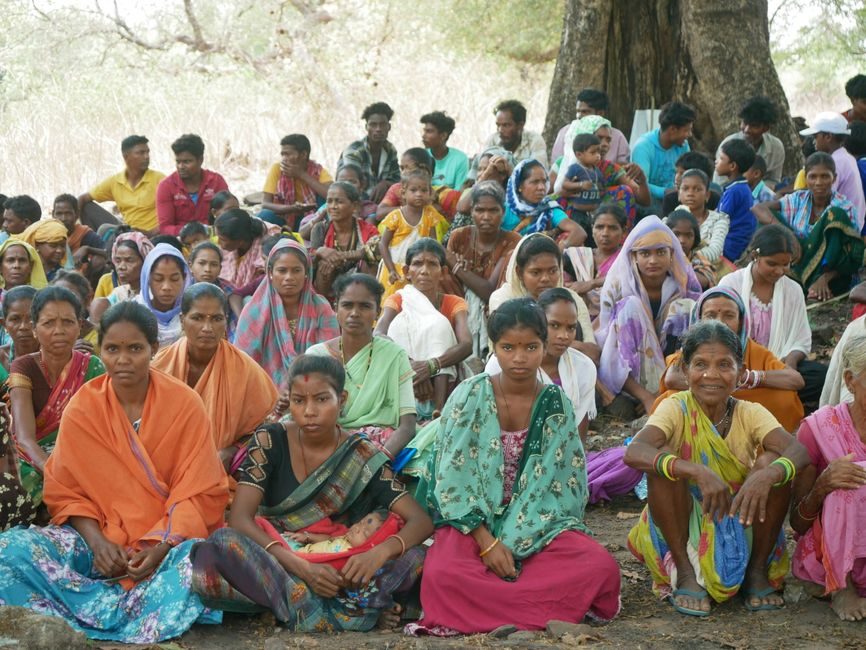
Making the first contact
Introduce yourself briefly in person or via a message. A warm, specific greeting makes it easier to start conversations at events. Keep a simple goal, like meeting one new person who shares an interest. A useful resource on this topic: CTE News USA news.
Ask open questions about the event or local recommendations to keep the talk flowing. A small courtesy—arriving on time or helping with setup—builds goodwill.
If you felt welcome, follow up with a quick note or invite to a future activity. Small gestures compound into meaningful connections.
- Practice a short intro
- Bring a non-mainstream topic to discuss
- Offer to help with a task
- Ask for a future meet-up idea
Maintaining balance
Balance your involvement to avoid overcommitment. Select events that align with your personal goals and energy levels. Don’t stretch your schedule thin just for appearances.
Schedule downtime around event days to recover and reflect. This keeps your participation sustainable and enjoyable.
Document small wins, like a new contact or a helpful tip, to reinforce motivation and consistency.
- Limit weekly events
- Reserve one quiet week
- Record what you learned
- Reassess monthly
Ways to access more options
Exploring official and informal channels
Rely on official municipal pages for accurate listings and accessibility notices. Complement with community boards in libraries or cafes for informal options. This mix broadens your choices without overwhelming you. A useful resource on this topic: add your business listing in the USA.
Utilize regional newsletters or alumni groups to discover events outside your immediate area. These channels often highlight niche activities that still feel local.
If travel is feasible, consider a weekend excursion to a nearby city to diversify experiences and meet new people.
- Use a core source list
- Check accessibility details
- Sign up for newsletters
- Plan short trips when possible
| Method | Pros | Cons |
|---|---|---|
| Official municipal pages | Reliable notices, accessible details | May miss niche events or late updates |
| Community boards | Casual, local vibes | Can vary in accuracy and scope |
| Newsletters | Curated picks, timely | Can overwhelm with volume |
Using mobile tools wisely
A single event app won’t cover all interests, but a smart mix helps. Save favorites, set reminders, and filter by distance to keep your life practical.
Enable offline access for calendars when traveling or during poor connectivity. This avoids missed plans and reduces stress.
Practice a quick pre-event checklist: confirm time, transportation, and any needed arrivals.
- Sync calendars across devices
- Filter by distance and price
- Enable notifications
- Have a backup plan
Assuming every event is social; some gatherings are informational or service-oriented and less about mingling.
Risks and what to watch for

Common missteps
Overloading the schedule leads to fatigue and missed commitments. Start with a small, reliable cadence and grow gradually as you adjust. A useful resource on this topic: advertise a job vacancy in the USA.
Assuming every event is social; some gatherings are informational or service-oriented and less about mingling. Treat them with the appropriate expectations.
Ignoring accessibility needs or safety details can turn an event into a poor experience. Always verify venue access and safety notes.
- Avoid back-to-back-heavy weekends
- Clarify accessibility
- Respect event rules
- Be mindful of costs
Privacy and respect
Share only what you’re comfortable with when meeting new people. Protect personal details until trust is established. Respect local norms and spaces when you attend.
If your plans change, send a brief message to organizers and friends. This prevents confusion and helps others adapt.
Use positive, inclusive language to welcome diverse participants and avoid clumsy missteps.
- Guard personal info
- Communicate changes
- Choose inclusive language
- Respect local rules
Engagement tactics for daily life
Daily routines and event checks
Start by adding a recurring check-in to your calendar for nearby events. Pick a realistic cadence, like a monthly mixer or a weekend market, and treat it as a standard appointment. This establishes consistency without overcommitting your schedule. funeral notices in the USA will often appear in local newspapers or community boards, so keep an eye on those channels for timing and location.
Experiment with different sources for ideas: neighborhood boards, library postings, and local social media groups. Note which channels deliver reliable information, and trim the rest as needed.
Keep a small notebook or app note for quick jotting of events that interest you. Include date, location, and a one-sentence why it matters to you, so you don’t lose track.
- Choose one reliable source per week
- Set a reminder two days before an event
- Add a short goal for each outing
- Flag events that align with a personal habit
Turning events into routines

Making attendance a habit
Treat attending events as a daily habit, not a one-off activity. Start with small, low-pressure events like casual coffee meetups or community markets. Gradually increase frequency as you become more comfortable with the routine.
Use each visit to learn something practical: a new hobby, a contact, or a local tip that improves daily life. Document one takeaway after every event.
Rotate event types to avoid burnout and keep things fresh. If you attend a workshop one week, try a social gathering the next, then a family-friendly activity the week after.
- Attend two events per month to build momentum
- Choose events with clear, practical benefits
- Note at least one new connection each time
- Balance social time with personal time
Finding long-term value
Assessing value over time
When you pick an event, ask how it supports longer goals like making new friends, learning a skill, or supporting a local cause. A single meetup can spark a recurring connection that improves your week. Look for events that offer transferable benefits.
- Review your yearly goals against the events you attend.
- Identify at least one recurring benefit you gained from past events.
- Adjust your plan to emphasize activities that support your goals.
Track outcomes rather than impressions. Note how often you follow up with a contact, join a group, or try a suggested activity. This helps you measure real value beyond the initial buzz.
Revisit your event list quarterly to prune or expand. If an activity consistently misses your needs, replace it with something more aligned to your evolving routine.
- Focus on durable gains
- Record practical outcomes
- Review and adjust quarterly
A practical wrap-up
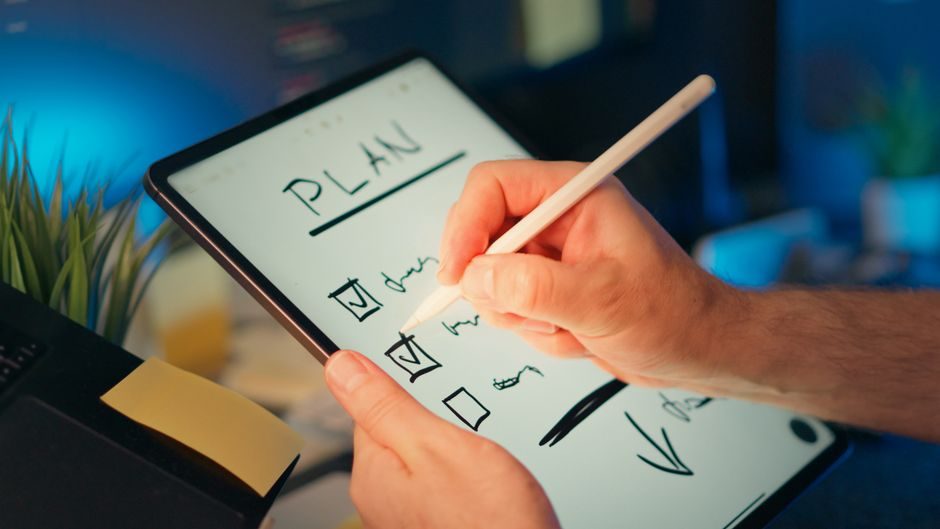
Putting it into motion
Summarize your plan into a simple checklist you can pull up on your phone. Include the sources you trust, the cadence you’ll follow, and the kinds of events you want to prioritize. A clear list makes it easier to start walking out the door.
Make a smart choice about accessibility: consider proximity, transportation, and time. An event near home that fits your schedule is more likely to become a habit than a distant option.
Set a micro-goal for the week, like attending one event and staying for the full duration. Small wins compound and encourage consistency over time.
Frequently asked questions
How do I find events that fit my schedule?Start with sources that match your weekly rhythm, such as weekend markets or weekday community boards. Prioritize events within a short travel radius and those that won’t derail your existing commitments. Track what works for you and prune the rest.
Can attending events help with relationships?Yes. Look for settings that encourage casual conversation and small group interaction. Focus on repeating introductions and following up with a quick message or coffee invite after the event.
What if I’m shy about meeting new people?Choose low-pressure formats like drop-in workshops or hobby-based meetups. Bring a friend or volunteer to introduce you, and aim for one meaningful interaction per event to avoid overwhelm.
How do I know if an event is worthwhile long-term?Ask if the activity supports a recurring habit, skill growth, or a local cause you care about. Track small outcomes, like exchanged contacts or ongoing conversations, to gauge lasting value.
Takeaways from this approach emphasize consistency and usefulness. Start by logging a few reliable event sources and set a simple weekly goal to attend. The goal is to build a gradually widening circle of familiar faces and practical benefits in daily life.
Next steps involve revisiting your routine and refining sources. After two weeks, prune the list to keep only events that contribute clearly to your routine, skill, or social life. Use the plan as a living document, updating it as your needs shift.
Add Singapore News as a preferred source on Google


