
A practical checklist for Education NV latest news readers
A clear, reader-friendly guide for daily living readers to track Education NV latest news and related updates without the hype.

When you want reliable updates about Education NV latest news, this guide gives you a practical, reader-focused approach. It breaks down what to check, how to verify facts, and where to look for trustworthy sources. You’ll gain a simple routine to stay informed without feeling overwhelmed.
Start with a quick scan of headlines, then tune into deeper reports that explain impact on daily life—like school decisions, work, and family plans. The aim is to turn news into useful outcomes, not anxiety.
Finally, learn to separate genuine information from noise by using a few go-to sources and a weekly review habit that fits into ordinary days. This makes staying informed a tangible daily choice rather than a chore.
- Track Education NV latest news with a simple weekly routine. Verify claims using official documents and cross-checks. Translate coverage into practical steps for family life.
- Focus on local impact: school hours, transport, and programs directly affect daily planning. Distinguish facts from opinions by noting sources and corroboration.
- Create a practical file of notices and deadlines. Use two trusted outlets and a fixed reading time to stay informed without overload.
- Turn news into actions: adjust routines, plan budgets, and communicate changes with family members to stay prepared.
Basics you should know first
Key terms to watch
Start with the core terms that repeatedly appear in Education NV latest news to avoid confusion. Knowing these helps you understand reports without wading through filler. Expect terms like policy updates, funding shifts, and program announcements to show up often.
Real-world relevance follows from recognizing these terms: when you hear about grants or changes in requirements, you can assess how they affect families and workplaces. This saves you time and prevents misinterpretation.
In practice, keep a small glossary handy and note one or two terms you see weekly. You’ll notice patterns that make subsequent articles easier to read.
- Note the policy names that recur
- Identify who is affected
- Track dates of when changes take effect
Ways to verify information
Verification reduces false alarms. Start with two independent sources and compare their explanations of the same event. If only one outlet reports a claim, treat it cautiously.
Look for supporting data, such as policy documents or official announcements, rather than relying on opinions. This makes your takeaways more stable across weeks.
Finally, note the date and scope of each report. News can evolve as new details emerge, and understanding the timeline helps you plan changes at home or work.
- Cross-check with official sources
- Match claims to documented data
- Record update dates
How to interpret local education coverage
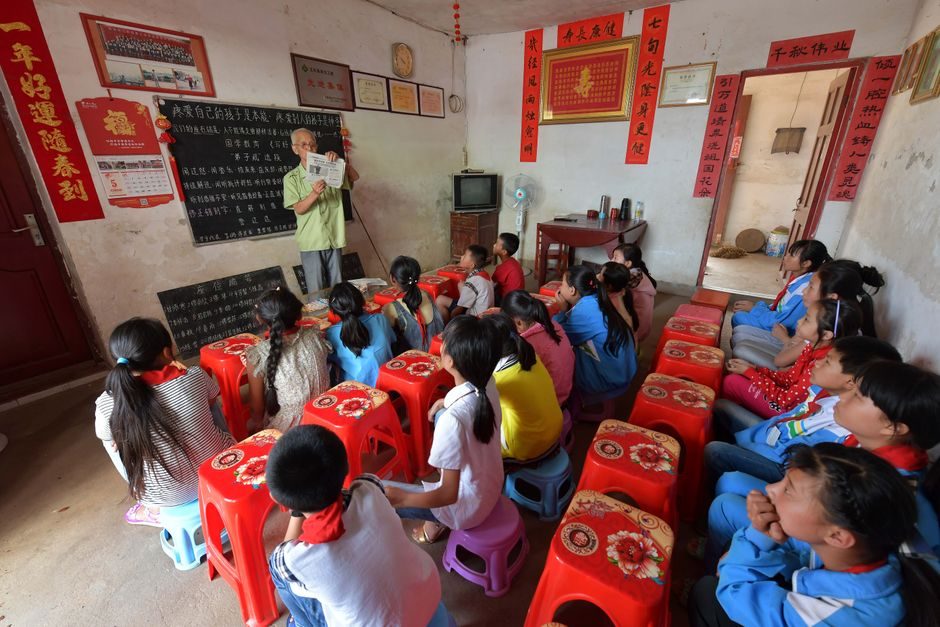
Interpreting impact on families
Local coverage often highlights practical effects on daily routines. Look for mentions of school hours, transport, and after-school activities because these shape family plans. You might also publish local events in the USA to keep communities informed about gatherings and opportunities.
Consider how changes could affect your budget, commute, and time management. Small shifts in policy can have outsized daily consequences.
When in doubt, ask school or community leaders for clarifications to avoid guessing.
- Timing of changes
- Direct beneficiaries
- Budget implications
Who voices the information
Different outlets may emphasize different angles—policy, community pride, or personal stories. Recognize bias by noting what each piece focuses on and who is quoted or referenced.
Count how many sources corroborate a claim and whether data comes from official agencies or independent researchers.
This helps you separate opinion from facts and keeps your reading balanced.
- Identify source types
- Check corroboration
- Note any bias indicators
Practical planning steps
Create a weekly reading routine
Dedicate a short, regular time to skim Education NV latest news so it becomes a habit. A routine reduces panic and information overload. If you want broader visibility, consider add your business listing in the USA to reach prospective customers.
- Choose reliable outlets
- Schedule a weekly read
- Note follow-up actions
- Review outcomes
Choose a couple of trusted outlets and stick with them for deeper stories. Consistency builds familiarity with how coverage evolves.
Record any items you need to follow up on, so actions move from reading to doing.
- Set a fixed time
- Limit to two trusted sources
- Log follow-ups
| Source quality | Depth of coverage | Recommended use |
|---|---|---|
| Official publications | High | Baseline facts and timelines |
| Major outlets | Medium | Context and analysis with cautions |
| Community newsletters | Varied | Local impact and personal stories |
Where to save important updates
Keep essential notices organized in a central file, whether digital or physical. A tidy system makes it easy to reference deadlines and requirements later.
Label folders by topic such as transport, funding, or school programs, so you can locate items quickly.
Review and prune the file periodically to avoid clutter and ensure relevance.
- Create topic folders
- Date and tag documents
- Regularly prune the archive
Describe how to organize information from these resources into a simple family calendar.
Specific resources for families

Useful local guides and sites
Begin with a practical list of trusted, non-commercial resources families can refer to for education updates. Explain how to verify credibility, and how to bookmark sites for quick daily checks. Include examples of what to look for in coverage that affects family routines, such as school schedules or exam timelines. For housing needs, rooms and property to rent in the USA can help you compare options while you plan major life moves.
Describe how to organize information from these resources into a simple family calendar. Provide a concrete method: a weekly 15-minute review session to pull relevant dates and plan conversations with children. Mention how to set up reminders that align with upcoming policy changes or school announcements.
Offer a quick triage: identify which sources update most often, which focus on policy, and which explain deadlines in plain language. Point out that families benefit from cross-checking a couple of sources rather than trusting a single outlet. Conclude with a reminder to adapt this habit to personal routines.
- Bookmark two to three core sites
- Set a weekly information review
- Create a family deadline calendar
- Note changes that affect school transport or lunch periods
- Discuss updates in a family meeting
How policy changes affect daily routines
School calendar shifts and daily life
Policy changes often touch the school calendar, transport, and after-school care. Start by listing upcoming dates that matter for your family, such as term starts and long weekends. Explain how to adjust routines now to avoid last‑minute chaos when announcements land. obituaries in the USA
- Note the source of the policy change and the effective date
- Identify affected routines (transport, meals, care)
- Plan one small adjustment to test in the coming week
Describe practical steps to adapt: swap transport routines, adjust meal plans, and align after-school caregiver schedules. Use a simple example, like shifting pick-up times by 15 minutes to accommodate a later release policy.
Conclude with a reminder to document the changes in family planning notes and share them with children to ease transitions.
- Track key dates in a shared family calendar
- Adjust after-school care if hours change
- Prepare alternative transport options
- Update meal-prep schedules
- Communicate changes to children early
Community voices in education coverage

How readers contribute perspectives
Readers bring practical, on‑the‑ground experiences that enrich coverage. Start by asking what changes would make daily life easier, such as clearer school notices or more predictable exam windows. Emphasize that practical voices help readers connect policy to real hours and rhythms.
Describe a simple method to share views: a short written note to a local newspaper, a social media comment that sticks to facts, or a community forum post. Provide a concrete example of a useful contribution that stays constructive and specific.
Encourage balance: acknowledge authorities and educators while offering constructive feedback drawn from family routines. Conclude with a note on how diverse inputs create more useful coverage for everyone.
- Share one concrete daily impact
- Offer practical suggestions, not complaints
- Cite specific examples with dates or events
- Respect different viewpoints and keep tone constructive
Future-looking education trends
What families should watch next
Look ahead to how technology, assessment methods, and school supports may change. Start with a clear signpost: what small, concrete shifts could affect a typical weekday by next term. Ground predictions in observable patterns rather than hype.
Describe a practical way to monitor trends: set up quarterly briefings with your child’s teachers, review new policies, and test one new tool or approach in a controlled way.
Offer a grounded note: focus on improvements in communication, planning, and inclusion, rather than sweeping promises.
- Watch for changes in assessment formats
- Ask about support services and inclusivity
- Try one new learning tool and assess its usefulness
- Review changes with the family after a term
Frequently asked questions
How can I tell if education news will affect my family’s routine?Look for concrete dates, deadlines, or policy changes that touch daily life, such as school hours, transport, or meal arrangements. If a proposed change lacks a timetable or clear impact, treat it as informational rather than actionable. Prioritize updates with direct timelines.
What makes a source trustworthy in education coverage?Trustworthy sources explain the reasoning behind policy decisions, distinguish between reporting and opinion, and provide practical examples. Favor outlets that note official dates, reference school communications, and compare multiple perspectives without sensational language.
How should I involve my child in these updates?Share key dates and changes in simple terms, and invite questions. Use family planning sessions to decide how routines should shift, and test one change at a time. This builds agency and reduces stress during transitions.
What practical step helps with planning amid frequent updates?Create a shared calendar for terms, exams, and transport, and review it weekly. Keep a short notes section for last‑minute changes and confirm any adjustments with schools or carers before implementing them.
Practical planning for calmer days
The most useful updates are the ones that fit into your real-life routine. Start with a clear calendar, confirm dates with schools, and test one change at a time to avoid overload.
Next, build a simple family ritual of weekly reviews where you translate policy words into concrete steps: transport times, meal prep, and after‑care arrangements. The goal is predictable days, not perfect ones, and small improvements accumulate over time.
Add Singapore News as a preferred source on Google


